Unveiling the Future: 7 Earth Science Innovations Revolutionizing Environmental Education

webmaster

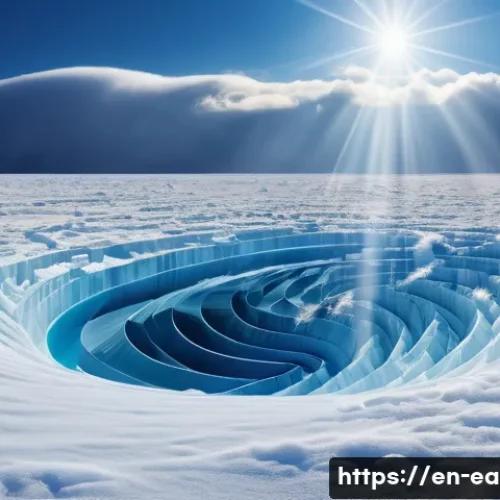
지구과학과 환경 교육 - **Prompt: Unveiling Earth's Ancient Tapestry**
    "A wide-angle, breathtaking view of a majestic ca...

Hey there, fellow planet enthusiasts! Have you ever stopped to truly appreciate the incredible, intricate dance of nature happening all around us, or pondered the immense power of our very own Earth?

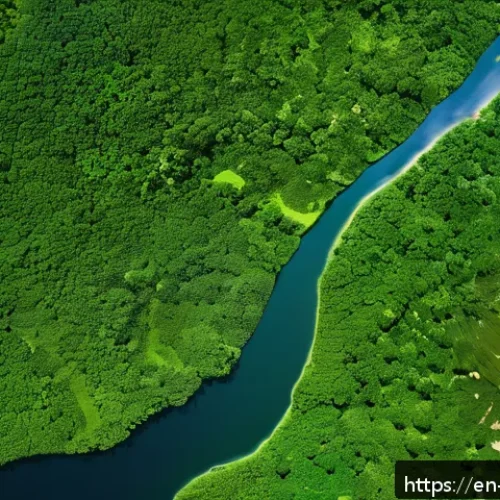
지구과학과 환경 교육 관련 이미지 1

I’ve been on quite a journey lately, delving deep into the fascinating worlds of Earth Science and Environmental Education, and let me tell you, it’s been an absolute revelation.

It’s more than just learning about rocks and rivers; it’s about understanding the beating heart of our planet and how every single one of us plays a part in its future.

With current global headlines dominated by extreme weather events and urgent calls for sustainable living, it’s clearer than ever that grasping these concepts isn’t just academic – it’s crucial for our collective survival.

I’ve personally seen how a little knowledge can spark a huge change, from understanding local ecosystems to appreciating the vast, interconnected web of global climate patterns.

This isn’t just about the science; it’s about empowering ourselves and the next generation to tackle challenges like climate change and biodiversity loss head-on, fostering a deeper respect for the world we inhabit.

What I’ve learned has truly shifted my perspective, making me realize how vital it is for everyone to get involved in shaping a more sustainable tomorrow.

Ready to explore how understanding our planet better can actually change your world, and ours? Let’s get into the nitty-gritty below and uncover some truly transformative insights!

Unearthing Our Planet’s Grand Design

I’ve always been one to marvel at the sheer majesty of our Earth, but truly diving into the core concepts of Earth Science has been nothing short of eye-opening.

It’s like pulling back the curtain on an ancient, ongoing drama that has shaped everything around us. For instance, I remember a trip to the Grand Canyon a few years back, and while the view was breathtaking, understanding the geological forces that carved those layers over millions of years made the experience infinitely richer.

It wasn’t just a pretty picture; it was a testament to time, pressure, and the relentless work of water and wind. This kind of insight gives you a completely new appreciation for the ground beneath your feet – it’s not just dirt, it’s a living record of our planet’s history.

Learning about tectonic plates, volcanic activity, and the formation of mountains suddenly transforms static landscapes into dynamic canvases, constantly being reformed and reshaped.

It makes you feel incredibly small yet connected to something so immensely powerful and ancient. Honestly, it’s a shift in perspective that I wish everyone could experience; it genuinely changes how you interact with the natural world around you, making every hike and every coastline visit feel like a deeper discovery.

Decoding Earth’s Ancient Rhythms

Imagine trying to read a story told over billions of years, written in rocks, ice, and oceans. That’s essentially what Earth Science allows us to do. I’ve found myself absolutely fascinated by paleoclimatology, the study of past climates.

It’s incredible how scientists can look at tree rings, ice cores from Greenland, or sediment layers at the bottom of the ocean and reconstruct what the atmosphere was like thousands, even millions, of years ago.

This isn’t just academic curiosity; it gives us crucial context for understanding our current climate situation. Seeing the natural cycles, the ebb and flow of ice ages and warmer periods, makes you realize the sheer scale of planetary change.

But what truly stands out is comparing those natural rhythms to the rapid changes we’re witnessing today. It provides a stark contrast and highlights the urgency of our current environmental challenges.

My own journey into this field has truly underscored the profound difference between natural variability and the unprecedented speed of contemporary environmental shifts.

The Dynamic Dance Beneath Our Feet

It’s easy to take the solid ground we walk on for granted, but below us, there’s an incessant, powerful dance happening every second. I distinctly remember learning about plate tectonics and how it explains everything from earthquakes to the formation of continents.

It’s not just a theory; it’s a living, breathing process that constantly reshapes our world. I once felt a minor earthquake while visiting California, and instead of just feeling scared, I found myself thinking about the Pacific and North American plates grinding against each other.

It brought the science right into my personal experience. This understanding transforms how you view the world, not as a static backdrop but as a constantly evolving entity.

The forces that push up mountains and open vast ocean basins are still active, still at play, reminding us that our planet is far from inert. It’s this deep, almost visceral understanding of Earth’s internal workings that makes you feel more connected to its very essence, realizing that we are truly living on a dynamic, active sphere.

The Interconnected Web of Life

Stepping beyond the rocks and into the realm of living systems, environmental education has fundamentally shifted how I see the world. It’s like discovering that every living thing, from the tiniest microbe to the tallest redwood, is part of an unimaginably intricate, delicate tapestry.

I used to think of ecosystems as isolated pockets, but through learning about them, I’ve come to realize that everything is linked. For example, understanding how a seemingly small change in a local stream can affect migratory bird patterns hundreds of miles away – that really hit home for me.

It’s not just about saving a species; it’s about preserving the functions that keep entire systems alive and thriving. This holistic view makes every action, no matter how small, feel incredibly significant.

It encourages a sense of responsibility, not just for our immediate surroundings, but for the vast, unseen connections that ripple across the globe.

From Local Creeks to Global Climates

I often encourage people to start their environmental journey by observing their local environment. I remember visiting a small stream near my hometown that was once a vibrant habitat for diverse aquatic life.

Over time, due to runoff from nearby development, it became murky and lifeless. This personal observation made the concepts of watershed management and pollution impact incredibly real to me.

But the beauty of environmental education is that it quickly expands your perspective. That local creek isn’t just a creek; it’s part of a larger river system, which feeds into a bay, then the ocean.

And the health of that ocean, in turn, influences global weather patterns and climate. It’s a magnificent, albeit sometimes daunting, realization that what happens in one small corner of the world can have far-reaching consequences.

This interconnectedness truly highlights why global cooperation on environmental issues isn’t just a nice idea; it’s an absolute necessity for our shared future.

When One Thread Snaps: The Domino Effect

One of the most profound lessons I’ve absorbed from environmental education is the concept of tipping points and the domino effect within ecosystems. It’s not always a gradual decline; sometimes, the loss of a single keystone species or a critical habitat can trigger a cascade of unforeseen consequences.

I read a compelling case study about how the reintroduction of wolves to Yellowstone National Park dramatically altered the river systems by changing elk grazing patterns, which then allowed vegetation to recover, stabilizing riverbanks.

It truly illustrated how everything is linked. This isn’t just academic theory; it’s a stark reminder of how fragile these balances can be. When we lose biodiversity, we’re not just losing a single plant or animal; we’re often unraveling crucial threads in the fabric of life that support countless other species, including our own.

It’s a sobering thought, but also an empowering one, because it shows how strategic, well-informed conservation efforts can have incredibly positive, widespread impacts.

Advertisement

Cultivating Tomorrow’s Environmental Stewards

My journey into environmental advocacy has convinced me that education is the bedrock of any lasting change. It’s not enough for a few experts to understand the complexities; we need to foster a generation that inherently respects and understands our planet.

I’ve had the privilege of seeing firsthand how impactful engaging young minds in environmental education can be. Watching a child’s eyes light up when they discover a ladybug or understand the concept of a compost pile for the first time is truly magical.

It’s about planting seeds of curiosity and responsibility that will grow into lifelong commitments. This isn’t just about teaching facts; it’s about nurturing a profound connection to the natural world, inspiring empathy, and empowering them with the tools to make a difference.

We’re not just educating them about problems; we’re equipping them to be part of the solution, instilling hope and agency in the face of daunting global challenges.

Inspiring Young Minds Through Discovery

Getting kids excited about the environment often comes down to hands-on experiences. I’ve seen programs where children get to test water quality in local rivers or participate in planting trees, and the impact is immediate and profound.

They don’t just learn about pollution from a textbook; they see it, they measure it, and they start asking “why?” and “how can we fix this?” This experiential learning is so much more powerful than rote memorization.

It transforms abstract concepts into tangible realities. I truly believe that allowing children to explore, question, and discover the natural world for themselves is the most effective way to foster a deep and lasting appreciation for it.

When they collect leaves, identify birds, or learn about the life cycle of a frog, they are not just acquiring knowledge; they are building a personal relationship with nature that can last a lifetime.

Bridging the Gap: Education to Action

The goal of environmental education isn’t just to inform, but to inspire action. I’ve noticed a critical step often missed is helping people bridge the gap between knowing about an issue and actually doing something about it.

It’s not enough to know about climate change; we need to understand what practical steps we can take, both individually and collectively. This means teaching critical thinking skills, problem-solving, and even how to engage in local civic processes.

I’ve personally seen how community gardens can become hubs for learning about sustainable agriculture, where people not only grow food but also share knowledge about composting, water conservation, and reducing food waste.

These are the kinds of tangible, local initiatives that transform abstract environmental concepts into real-world impact, showing people that their efforts truly make a difference.

Practical Steps for a Greener Tomorrow

After years of absorbing all this incredible information, the real test, for me, has always been how to translate it into my daily life. It’s one thing to understand the science, and another entirely to implement sustainable practices consistently.

I’ve found that it’s not about making huge, overwhelming changes overnight, but rather a series of small, intentional choices that build up over time.

Every little bit truly counts, and it’s those consistent efforts that collectively create significant impact. It can feel daunting at first, trying to figure out where to start, but I’ve learned that even tiny shifts in habits can lead to a more eco-conscious lifestyle without feeling like you’re sacrificing everything.

It’s about finding that balance between what’s practical and what’s impactful, and often, they align more than you’d expect. The key is to keep learning, keep adapting, and keep trying.

Everyday Choices, Global Impact

I’ve personally embarked on a journey to reduce my carbon footprint, and it’s been incredibly illuminating. Simple things, like opting for reusable bags, bringing my own coffee cup, or choosing public transportation or cycling over driving, feel small individually, but their cumulative effect is substantial.

It’s astonishing how many single-use items we encounter daily without thinking. I started by tackling one area at a time – first plastics, then energy consumption at home, then food waste.

It made the process manageable and less overwhelming. And let me tell you, there’s a real sense of satisfaction that comes from knowing your everyday choices are contributing positively to the planet.

It’s a continuous learning curve, but one that gets easier and more rewarding with each conscious decision. The table below outlines some simple yet impactful shifts I’ve found to be particularly effective in daily life.

Category Impactful Green Choice Why It Matters
Transportation Bike, walk, or use public transit for short distances. Reduces reliance on fossil fuels, cutting greenhouse gas emissions.
Consumption Choose reusable items (bags, bottles, containers). Minimizes waste sent to landfills and reduces demand for new production.
Energy Unplug electronics when not in use, switch to LED bulbs. Lowers energy consumption, decreasing carbon footprint and saving money.
Food Reduce food waste, opt for seasonal, local produce. Lessens landfill methane emissions and supports sustainable agriculture.

Navigating the World of Sustainable Living

Sustainable living isn’t a destination; it’s a continuous journey of learning and adapting. I’ve discovered that staying informed about new eco-friendly innovations and practices is key.

From advancements in renewable energy to sustainable fashion and zero-waste initiatives, there’s always something new to explore. It’s not about being perfect, but about being mindful and making progress.

지구과학과 환경 교육 관련 이미지 2

I often share my own experiences – the successes and the challenges – because I believe authenticity resonates. For instance, finding truly sustainable alternatives for everyday household products can be tricky, and it sometimes involves trial and error.

But the satisfaction of finding a product that aligns with my values, and genuinely works, is immense. It’s a testament to how consumers, through their choices, can drive demand for more ethical and environmentally responsible products, pushing industries towards a greener future.

Advertisement

Confronting Climate Change Realities

Let’s be real, talking about climate change can feel heavy, even overwhelming sometimes. I’ve certainly had my moments of despair when looking at the global headlines.

But what I’ve learned from truly digging into the science is that understanding the problem deeply is the first step toward effective solutions. It’s not about burying our heads in the sand; it’s about acknowledging the reality and then strategically figuring out where we can make the most impact.

My own journey has taught me that while the scale is immense, localized efforts and individual contributions are incredibly powerful when multiplied. It’s about shifting from a sense of helplessness to a mindset of informed action, which, in my experience, is far more empowering.

The science, while complex, also offers a roadmap for mitigation and adaptation, giving us a clearer path forward amidst the noise.

Understanding the Science Behind the Headlines

When you delve into climate science, you realize it’s far more nuanced than what often gets portrayed in soundbites. I remember feeling overwhelmed by conflicting reports until I started looking at the data directly from reputable sources like the IPCC.

Understanding concepts like the greenhouse effect, feedback loops, and carbon cycles truly clarifies why even seemingly small increases in global temperatures can have such dramatic and widespread impacts.

It’s not just about rising temperatures; it’s about altered weather patterns, ocean acidification, and sea-level rise – a complex web of interconnected changes.

This scientific foundation, for me, moved the discussion from abstract debates to concrete realities that demand our attention. It’s a call to understand the mechanisms at play, not just react to the symptoms.

Adapting to a Changing World

Beyond mitigation – reducing greenhouse gas emissions – a crucial part of our response to climate change is adaptation. I’ve been fascinated by how communities globally are already innovating to live with the changes that are now unavoidable.

From developing drought-resistant crops to implementing early warning systems for extreme weather events, and designing resilient infrastructure, humans are showing incredible ingenuity.

I’ve personally seen how local initiatives, like community-led efforts to restore coastal wetlands for flood protection, are making a tangible difference.

It’s inspiring to see this blend of traditional knowledge and cutting-edge science being applied to safeguard communities. While it’s a challenging path, focusing on these adaptive strategies reminds us of our resilience and capacity for creative problem-solving in the face of environmental shifts.

The Priceless Value of Biodiversity

If there’s one area of environmental education that consistently moves me, it’s the sheer wonder and absolute necessity of biodiversity. It’s not just about how many different species exist; it’s about the incredible web of life that makes our planet function.

I’ve found myself endlessly fascinated by the intricate roles each species plays, from the smallest insects pollinating our food crops to the majestic predators maintaining ecosystem balance.

To me, it’s a testament to Earth’s boundless creativity. The thought of losing any of these unique life forms, and the critical services they provide, truly makes my heart ache.

It’s more than just aesthetic appreciation; it’s a profound realization that our own survival is inextricably linked to the health and diversity of all life around us.

Every time I learn about a new endangered species or a successful conservation project, it reinforces how precious and irreplaceable this natural heritage is.

Why Every Species Matters More Than We Know

When we talk about biodiversity, it’s easy to focus on the charismatic megafauna – the pandas, tigers, and whales. And they absolutely deserve our protection.

But what I’ve learned is that the unsung heroes of biodiversity, like fungi, bacteria, and insects, are just as, if not more, critical to ecosystem health.

Think about the incredible work of decomposers breaking down organic matter or the vital role of pollinators for our food supply. I personally became fascinated by soil biodiversity, realizing that a teaspoon of healthy soil can contain billions of microorganisms, all working tirelessly to support plant life.

When we lose a species, we’re not just losing one entity; we’re often disrupting complex ecological processes that took millennia to evolve. It’s a sobering thought, but it also highlights the immense value of every single life form, regardless of its size or perceived importance.

Protecting Our Natural Heritage

The good news is that there are incredible efforts underway globally to protect and restore biodiversity. I’ve been inspired by stories of rewilding projects, where degraded landscapes are brought back to life, and species on the brink are given a second chance.

It’s not just about setting aside protected areas, though those are vital; it’s also about sustainable land use, combating illegal wildlife trade, and supporting local communities who live alongside endangered species.

I recently heard about a project that works with local farmers to create wildlife corridors, allowing animals to move safely between habitats. These kinds of innovative, collaborative approaches give me immense hope.

They demonstrate that with dedication, scientific understanding, and community involvement, we can truly make a difference in safeguarding our planet’s invaluable natural heritage for future generations.

Advertisement

Our Collective Footprint: A Call to Action

After delving so deeply into Earth Science and Environmental Education, I feel an undeniable sense of responsibility, but also immense optimism. It’s not about being perfect, or achieving some impossible ideal; it’s about collective progress.

Each of us, in our unique ways, contributes to the state of our planet, and that means each of us also holds the power to influence its future. I’ve realized that the conversation around environmentalism isn’t just for scientists or activists; it’s for everyone.

It’s about finding your voice, identifying the areas where you can make a meaningful difference, and then committing to those actions. That could be through your consumer choices, your advocacy, your involvement in local community projects, or simply by spreading awareness among your friends and family.

This shared journey is what truly excites me, knowing that we are all in this together, working towards a healthier, more sustainable world.

Global Citizenship in a Warming World

The concept of global citizenship has never felt more relevant than it does now, in the context of our interconnected environmental challenges. I’ve often pondered how our actions, even seemingly small ones in one part of the world, can have ripples that affect communities thousands of miles away.

Understanding the global climate system, for example, makes it clear that greenhouse gas emissions from any country contribute to a planetary problem.

This realization fosters a deeper sense of responsibility, transcending national borders. It encourages empathy for communities on the front lines of climate change, from island nations facing sea-level rise to farmers battling unprecedented droughts.

For me, it has solidified the understanding that our environmental well-being is intrinsically linked, and true progress demands a global perspective and collective effort.

Finding Your Place in the Environmental Movement

One of the most valuable lessons I’ve taken from my environmental explorations is that there’s no single way to be an environmentalist. The movement needs scientists, educators, policymakers, artists, business leaders, and everyday citizens.

What matters is finding where your unique skills and passions intersect with the needs of the planet. Maybe you’re a great communicator and can help spread awareness.

Perhaps you’re good with numbers and can advocate for sustainable economic policies. Or maybe, like me, you love to share stories and inspire others to learn more.

I’ve come to appreciate that every contribution, big or small, plays a vital role. The key is to start somewhere, stay informed, connect with others who share your values, and keep that curiosity alive.

Together, we can genuinely shape a brighter, greener future for our incredible planet.

Closing Thoughts

Whew, what a journey we’ve shared through the incredible tapestry of Earth Science and Environmental Education! For me, it’s been more than just learning facts; it’s been a profound shift in how I perceive our world and my place within it. Every layer of rock, every rustle of leaves, every ripple in the ocean now tells a deeper story. This understanding truly connects you to something ancient and magnificent, fostering a sense of awe and responsibility that I wouldn’t trade for anything. It’s a continuous path of discovery, and honestly, the more I learn, the more excited I get about the power we all have to make a positive difference.

Advertisement

Useful Information to Know

1. Start Local to Think Global: I’ve found that the best way to grasp complex environmental issues is to observe them in your own backyard. Take a walk, look at your local stream, notice the plants and animals. This personal connection makes the global challenges feel more tangible and empowers you to act where you live.

2. Citizen Science is Your Superpower: Many organizations rely on everyday people to collect data – from tracking bird migrations to monitoring water quality. Participating in citizen science projects is an incredible way to contribute to real scientific research, deepen your understanding, and meet like-minded individuals. A quick search for “citizen science projects near me” can reveal some amazing opportunities.

3. The “Why” Behind Your Eco-Swaps: When you switch to a reusable coffee cup or start composting, take a moment to understand the environmental impact of that single action. Knowing that you’re reducing plastic waste, methane emissions, or supporting sustainable cycles gives those small changes much greater meaning and helps you stay motivated.

4. Embrace Lifelong Learning: The fields of Earth Science and environmental studies are constantly evolving. New discoveries, technologies, and solutions emerge all the time. Make it a habit to follow reputable science news, subscribe to environmental newsletters, or even take an online course. This continuous learning keeps your perspective fresh and helps you advocate effectively.

5. Look for Solutions, Not Just Problems: While it’s crucial to acknowledge environmental challenges, focusing solely on the negatives can be overwhelming. Actively seek out stories of success, innovation, and positive change. Highlighting solutions helps inspire hope, encourages collective action, and reminds us of humanity’s incredible capacity for problem-solving and collaboration.

Key Takeaways

At the heart of it all, my journey through Earth Science and environmental awareness has reinforced a few vital truths that I genuinely hope resonate with you too. Firstly, our planet is an incredibly dynamic and interconnected system. Every element, from the deepest geological processes to the smallest organisms, plays a critical role, and understanding these connections is fundamental to appreciating its delicate balance. Secondly, we, as humans, are not separate from this system; our actions have profound, far-reaching impacts, both locally and globally. This understanding isn’t meant to induce guilt, but rather to empower us with the knowledge that our choices, big and small, collectively shape the future. Finally, the path forward is one of continuous learning, adaptation, and collective action. By staying informed, embracing sustainable practices, and engaging in our communities, we can all contribute to fostering a healthier, more resilient planet for ourselves and for generations to come. It’s about cultivating a mindset of informed stewardship, grounded in both scientific understanding and a deep, personal connection to the natural world. Remember, every step, no matter how small, counts towards creating a brighter, greener tomorrow.

Frequently Asked Questions (FAQ) 📖

Q: Why should Earth Science and Environmental Education matter to someone who isn’t a scientist or a policy maker?

A: Oh, this is a question I hear all the time, and it’s a really good one! For the longest time, I felt like these topics were reserved for academics or folks working in government, you know?
But what I’ve personally come to realize is that understanding Earth Science and Environmental Education isn’t about becoming a geologist or an environmental activist overnight.
It’s truly about becoming a more informed and empowered human being, living on this incredible planet we call home. Think about it: our daily lives are so deeply intertwined with Earth’s systems, from the water we drink to the air we breathe and even the weather that dictates our plans.
Having a basic grasp of how our planet works, its natural processes, and how human activities impact them, helps us make better decisions every single day.
For instance, knowing a bit about local ecosystems or climate patterns can influence everything from what we choose to buy at the grocery store to how we manage our home’s energy use.
It’s about developing critical thinking skills and seeing the bigger picture. When you understand why certain weather events are becoming more extreme, or why conserving water is so vital, it shifts your perspective.
You start to see yourself not as a passive observer, but as an active participant in shaping a healthier, more sustainable future for everyone, including your kids and grandkids.
It’s truly liberating to feel like you have a voice and the knowledge to back it up!

Q: What are some really simple, actionable things I can start doing today to contribute positively to the environment without completely overhauling my life?

A: I totally get it – sometimes the sheer scale of environmental issues can feel paralyzing, right? Like, where do you even begin? But trust me, even the smallest, most consistent actions can collectively make a massive difference.
When I first started on my own journey, I didn’t jump into living off-grid (though that’s an admirable goal for some!). I focused on “low-hanging fruit” that felt manageable and even saved me a bit of money.
One of my favorite starting points is rethinking the “three R’s” – Reduce, Reuse, Recycle – but truly emphasizing “Reduce” and “Reuse” first. Seriously, before you even think about tossing something in the recycling bin, ask yourself: Can I use less of this in the first place?
Or can I give it a new life? For example, bringing a reusable water bottle and coffee cup everywhere has become second nature for me, and I’ve significantly cut down on single-use plastics.
Also, I’ve found that just being more mindful about my energy consumption at home – unplugging chargers, turning off lights when I leave a room, and being smart about heating and cooling – makes a huge impact on my utility bill and my carbon footprint.
Little changes like composting food scraps, choosing local produce when possible, and even opting for a walk or bike ride instead of driving for short errands are all fantastic steps.
It’s not about being perfect, it’s about consistently making conscious choices that align with your values. You’ll be surprised how quickly these habits become easy, and how good they make you feel!

Q: How can I talk to my friends and family about environmental issues in a way that’s engaging and constructive, rather than preachy or overwhelming?

A: Ah, this is a tough one, isn’t it? It’s something I’ve personally struggled with because when you feel passionately about something, it’s easy to accidentally come across as a know-it-all or, worse, make people feel guilty.
My biggest lesson has been this: it’s less about lecturing and more about listening and connecting. Instead of reeling off statistics or doom-and-gloom scenarios, try to find common ground.
What do your friends and family already care about? Maybe it’s their kids’ future, their favorite local park, or even just saving money. You could say something like, “Hey, I’ve been thinking a lot about how changes in our local climate might affect our favorite hiking trails – have you noticed anything different?” or “I just started composting, and it’s amazing how much less trash we produce!
Plus, our garden is loving it.” Lead by example, and let your actions speak volumes. People are often more open to new ideas when they see the positive changes you’ve implemented in your own life.
Also, try to ask open-ended questions and genuinely listen to their perspectives, even if they differ from yours. Sometimes, simply acknowledging their concerns or skepticism, without judgment, can open up a dialogue.
Focus on solutions and positive stories rather than just problems. Share inspiring examples of what communities are doing or how new technologies are helping.
It’s about planting seeds, nurturing curiosity, and fostering a sense of shared responsibility, not about winning an argument. Keep it conversational, keep it real, and let the genuine care you have for the planet shine through.

Advertisement