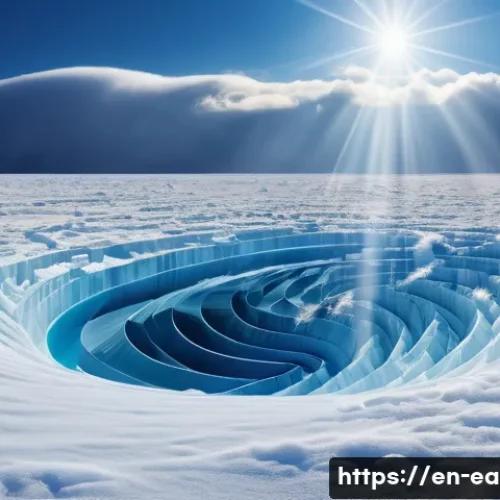
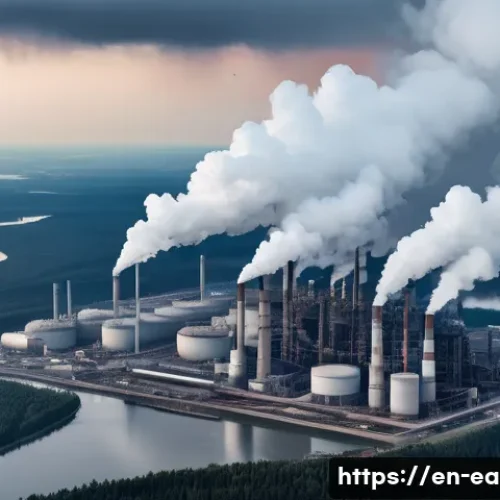
Hey everyone! Have you ever paused to truly appreciate the incredible blanket of atmosphere that cradles our planet? As someone constantly fascinated by Earth’s intricate workings, I’ve found the stratosphere holds some of the most vital secrets to our existence.

It’s far more than just “high up”; this crucial layer, home to our life-saving ozone shield, plays an undeniable role in regulating our climate and protecting us from harmful radiation.
With so much global focus on our changing world, understanding this aerial guardian is incredibly important. Let’s unravel the mysteries of the stratosphere together and discover exactly why it’s so critical for our future.
Our Planet’s Invisible Force Field: More Than Just Thin Air
You know, for years I thought of the stratosphere as just… space. Like, the place planes stopped flying and then it was just vacuum. Boy, was I wrong! It’s actually this incredibly dynamic, vital layer that truly acts like our planet’s personal bodyguard. Imagine waking up every day without an umbrella on a perpetually sunny but super harsh day – that’s pretty much what life would be like without the stratosphere doing its critical job. It starts about 6 to 12 miles (10-20 kilometers) above us and stretches up to around 30 miles (50 kilometers) high, depending on where you are on Earth. What I find most fascinating is how distinct it is from the chaotic weather patterns of the troposphere below it. It’s calmer, drier, and far more structured, creating a stable environment crucial for its protective functions. When I first started digging into this, I was genuinely amazed at how much goes on in what seems like such a tranquil space. It’s a testament to the intricate balance of our natural world, and truly understanding it has given me a whole new appreciation for the air we breathe and the sky above us. It’s not just a boundary; it’s an active participant in maintaining our planet’s habitability, constantly working behind the scenes. This calm, steady layer is literally keeping us safe from things we can’t even see or feel, and that’s something worth marveling at every single day.
Beyond the Weather: Understanding Stratospheric Stability
One of the coolest things about the stratosphere, in my opinion, is how it stands in stark contrast to the troposphere. Down here, in our everyday world, weather is wild! We have storms, rain, wind, and all sorts of atmospheric shenanigans. But once you cross into the stratosphere, everything calms down. There’s almost no turbulence, making it a dream for long-haul flights (that’s why jets often cruise at the lower end of the stratosphere to avoid bumpy rides). This stability isn’t just a happy accident; it’s fundamental to its role. The very lack of vertical mixing means that once pollutants or chemicals reach this layer, they can linger for a very long time, which is both a blessing and a curse. It means our ozone-depleting chemicals, once up there, caused damage for decades. But it also means the ozone layer itself can form and maintain its integrity without being constantly churned up and broken down by everyday weather. This incredible stillness allows for the delicate chemical reactions that protect us to unfold uninterrupted, a silent sentinel against the harsh realities of space.
The Invisible Barrier: Protecting Us from the Sun’s Fury
If you think about the sun, it gives us life, warmth, and light, but it also blasts out a ton of harmful stuff, especially ultraviolet (UV) radiation. This is where the stratosphere becomes our absolute hero. It’s home to the famous ozone layer, which I’ll dive into more depth on, but it’s essentially our planet’s built-in sunscreen. Without this protective shield, the amount of UV-B and UV-C radiation reaching Earth’s surface would be catastrophic. We’d be looking at massively increased rates of skin cancer, cataracts, and severe damage to plant life, which forms the base of our entire food chain. Honestly, the thought of living without this natural barrier is terrifying. It’s not just a scientific concept; it’s a fundamental aspect of why life as we know it exists on Earth. Every time I think about lying out on the beach, I’m reminded that the gentle warmth I feel is only gentle because of this incredible atmospheric layer doing its job, filtering out the truly dangerous wavelengths. It’s an elegant, almost miraculous system that we often take for granted.
| Feature | Troposphere | Stratosphere |
|---|---|---|
| Altitude Range (approx.) | 0 – 12 km (0 – 7.5 miles) | 12 – 50 km (7.5 – 31 miles) |
| Temperature Trend with Altitude | Decreases (gets colder) | Increases (gets warmer) |
| Key Characteristics | Weather occurs here, high water vapor, turbulent, less stable | Calm, dry, stable, contains ozone layer, very little weather |
| Presence of Ozone Layer | Minimal (ground-level ozone is a pollutant) | High concentration (protective ozone layer) |
| Air Density | Highest | Lower than troposphere, decreases with altitude |
The Ozone Layer: Earth’s Crucial UV Armor
Okay, let’s talk about the superstar of the stratosphere: the ozone layer. Seriously, this thing deserves its own fan club. It’s a region within the stratosphere that has a much higher concentration of ozone (O3) molecules compared to other parts of the atmosphere. And why is that a big deal? Because ozone is an absolute champ at absorbing harmful ultraviolet (UV) radiation from the sun. I often tell people to think of it as Earth’s very own invisible sunscreen, and honestly, that’s not an exaggeration. Without this protective shield, life on the surface would be utterly unrecognizable, if it could even exist at all. I mean, imagine trying to survive if every day was like being directly under a powerful sunlamp designed to destroy your DNA. That’s the kind of threat the ozone layer wards off for us, 24/7. It’s formed naturally through a complex set of photochemical reactions involving oxygen molecules and sunlight, constantly being created and destroyed in a delicate balance. This balance is what we, as humans, unfortunately managed to disrupt for a while, leading to the infamous “ozone hole.” Understanding its formation and the delicate equilibrium it maintains really puts into perspective how vital it is for literally every living thing on this planet.
The Delicate Dance of Ozone Creation and Destruction
The ozone layer isn’t a static shield; it’s a dynamic system where ozone molecules are constantly being formed and broken down. This process, often called the Chapman Cycle, involves incoming solar UV radiation splitting oxygen molecules (O2) into individual oxygen atoms (O). These free oxygen atoms then bump into other O2 molecules, forming ozone (O3). Conversely, ozone molecules can also absorb UV radiation, splitting back into O2 and O, or react with other oxygen atoms to form two O2 molecules. It’s this continuous cycle of creation and destruction that maintains a relatively stable concentration of ozone in the stratosphere. When I first learned about this intricate balance, it blew my mind how nature found such an elegant solution to a massive problem. It’s like a meticulously choreographed dance where every participant knows their role, ensuring our planet stays protected. Any disruption to this dance, as we’ve seen with human-made chemicals, can have profound and long-lasting consequences, which really underscores how interconnected everything is.
Why the Ozone Layer Matters for You and Me
So, beyond the science, what does the ozone layer actually mean for us, the everyday people living on Earth? Simply put, it means life. Reduced ozone leads to increased levels of harmful UV-B radiation reaching the surface. This isn’t just about getting a nasty sunburn – though that’s certainly part of it! It significantly increases our risk of skin cancers, including melanoma, and can lead to cataracts and other eye damage. But it’s not just human health at stake. Elevated UV-B levels can damage crops, reducing agricultural yields and impacting global food security. It can also harm marine ecosystems, particularly phytoplankton, which are the base of the marine food web and play a crucial role in regulating atmospheric carbon dioxide. When I think about my summer gardening or enjoying a walk in the park, I’m genuinely grateful for this natural protector. It allows us to live, grow, and thrive without constantly worrying about invisible rays attacking our very cells. It’s a testament to how the seemingly distant phenomena of our atmosphere directly impact our daily lives and our future well-being.
Stratospheric Warming: A Surprising Twist in Temperature
Here’s a fun fact that might surprise you: while it gets colder the higher you go in the troposphere, the stratosphere actually gets warmer with altitude. I remember thinking, “Wait, what?” when I first learned this. It totally defied my initial understanding of how atmospheric layers work. But once you grasp the ‘why,’ it makes perfect sense and highlights another incredible aspect of this layer. This warming trend is directly linked to the ozone layer and its powerful ability to absorb UV radiation. Imagine having a giant, dark blanket constantly absorbing sunlight and converting that energy into heat – that’s essentially what the ozone does in the stratosphere. As UV radiation from the sun penetrates the atmosphere, ozone molecules readily absorb this energy, and in doing so, they convert that solar energy into thermal energy, heating up the surrounding air. The higher up you go in the stratosphere, the more direct and intense this absorption becomes because there’s less atmosphere above to filter the UV rays. So, the highest parts of the stratosphere, near its boundary with the mesosphere, are actually the warmest. This temperature inversion is a defining characteristic of the stratosphere and is absolutely crucial for its stability. Without this warming, the dynamics of our atmosphere would be entirely different, and its protective functions might not be possible. It’s a delicate interplay of radiation and chemistry that keeps this vital layer functioning, and it’s truly fascinating to unravel.
How Ozone Absorption Drives the Heat
The mechanism behind stratospheric warming is a brilliant example of energy transfer. When a photon of ultraviolet radiation slams into an ozone molecule, that energy doesn’t just pass through. The ozone molecule absorbs the energy, gets excited, and then, rather than re-emitting it as UV, it typically converts that energy into kinetic energy (heat) through collisions with other air molecules. This process happens countless times every second throughout the ozone layer. The concentration of ozone is highest in the middle to upper parts of the stratosphere, which is why we see the temperature rise significantly as we ascend through this layer. It’s a continuous, dynamic process of absorption and thermalization, effectively transforming dangerous solar radiation into harmless heat. This is a primary reason why the stratosphere acts as such an effective shield – it’s not just blocking UV, it’s neutralizing it by converting it into a form of energy that doesn’t harm life on the surface. Understanding this fundamental process really drives home the critical role of ozone beyond just being a “filter”; it’s an active energy transformer for our planet.
The Impact of Temperature Inversion on Atmospheric Dynamics
The temperature inversion in the stratosphere – where temperature increases with altitude – is not just a quirky fact; it has profound implications for atmospheric dynamics. In the troposphere, where temperature generally decreases with height, warm air rises and cold air sinks, leading to convection and the weather we experience. However, in the stratosphere, the warmer air is above the colder air. This stable configuration effectively ‘caps’ the troposphere, preventing significant vertical mixing of air between the two layers. This stability is what keeps weather phenomena largely confined to the troposphere and why the stratosphere is so much calmer. From a practical perspective, this means that gases and particles that manage to reach the stratosphere tend to stay there for extended periods. This characteristic is both beneficial, allowing the ozone layer to persist, and problematic, as it means pollutants like CFCs can linger and cause damage for decades before eventually being broken down or dispersed. It’s a double-edged sword that truly highlights the intricate and sometimes unforgiving nature of our planetary systems. This structural integrity is a foundational element in understanding how our atmosphere functions as a whole.
Decoding Stratospheric Dynamics: Winds, Waves, and Global Connections
When we think of winds, we usually picture breezes rustling leaves or or powerful gusts pushing clouds around. But the stratosphere has its own fascinating set of atmospheric movements, far less chaotic but incredibly influential. It’s not just a stagnant, calm layer; it’s a dynamic system with distinct wind patterns that play a crucial role in distributing heat and chemicals around the globe. The prevailing winds here are often zonal, meaning they flow predominantly east-west, driven by global temperature differences and the Earth’s rotation. One of the most prominent features is the polar vortex, a large-scale cyclone that forms in the winter stratosphere over the poles. This vortex essentially isolates the air masses within it, and its strength and stability have significant implications for ozone depletion, especially over the Antarctic. It’s a complex dance of forces, and understanding these stratospheric winds is key to predicting how substances, whether natural or anthropogenic, move through this vital layer. It’s like a massive, slow-motion conveyor belt that has profound impacts on everything from climate patterns to the spread of volcanic ash. When I see those incredible satellite images showing stratospheric air movements, I’m always reminded of just how interconnected our planet’s systems truly are, even at such incredible altitudes.
The Polar Vortex: A Stratospheric Game Changer
The polar vortex, a topic that has gained a lot of media attention in recent years, is a swirling mass of cold air that sits over the Earth’s poles during winter. While we often hear about its tropospheric counterpart bringing frigid temperatures, the stratospheric polar vortex is an even more intense and critical phenomenon. It’s a large area of low pressure and cold air that’s contained by strong westerly winds, essentially creating a barrier that isolates the air inside. This isolation is particularly important for the ozone layer. During the long, dark polar winter, extremely cold temperatures within the vortex lead to the formation of polar stratospheric clouds (PSCs). These beautiful, iridescent clouds, which I’ve seen some stunning photos of, unfortunately provide surfaces for chemical reactions that convert benign chlorine compounds into ozone-depleting substances. When the sun returns in spring, these substances rapidly destroy ozone, leading to the infamous “ozone hole” over Antarctica. The strength and stability of this stratospheric vortex directly influence the extent and duration of ozone depletion. It’s a powerful example of how atmospheric dynamics, chemistry, and temperature conspire to produce significant environmental outcomes, underscoring the delicate balance our planet maintains.
Connecting the Layers: Stratosphere-Troposphere Exchange
While the stratosphere and troposphere are largely distinct layers, they aren’t entirely isolated. There’s a fascinating and crucial process called stratosphere-troposphere exchange (STE), where air masses can cross the boundary between them. This exchange is a two-way street. Air from the troposphere can be transported upwards, carrying pollutants or natural substances like water vapor, which can influence stratospheric chemistry. Conversely, stratospheric air, including ozone, can descend into the troposphere. This descending ozone can act as a greenhouse gas and also contribute to air pollution at ground level. This exchange is particularly significant in regions like the tropopause folds associated with jet streams, or during intense convective events like thunderstorms that can effectively “punch” through the tropopause. Understanding STE is vital for climate modeling and air quality forecasting, as it dictates how various substances move between these critical atmospheric reservoirs. It highlights that even though these layers have distinct characteristics, they are part of a larger, interconnected atmospheric system, where changes in one layer can ripple through to another, ultimately impacting our breathable air and climate. It’s a constant, albeit subtle, interaction that continually reshapes our atmosphere.
Human Impact: Our Role in Protecting This Vital Zone
It’s easy to think of the stratosphere as being so far away that our daily actions don’t touch it. But history has taught us a stark lesson: what we do down here absolutely affects that crucial layer above. The story of the ozone hole is a prime example of human activity having a direct, measurable, and terrifying impact on our planet’s life support system. For decades, we released chlorofluorocarbons (CFCs) and halons into the atmosphere – chemicals found in things like refrigerants, aerosol sprays, and fire extinguishers. These substances, once they drifted up into the stratosphere, were broken down by UV radiation, releasing chlorine and bromine atoms. These atoms then acted as catalysts, destroying thousands upon thousands of ozone molecules. It was a wake-up call that showed us just how fragile our atmospheric shield truly is, and how quickly our seemingly innocuous innovations can have global consequences. I remember learning about this in school and feeling a mix of alarm and a strange sense of responsibility. It really hit home that we, as a species, have the power to both damage and heal our planet, and understanding that power is the first step towards making better choices for our future. The good news is, we collectively acted, but the long recovery process serves as a constant reminder.
The Montreal Protocol: A Global Success Story
The discovery of the ozone hole in the 1980s was a truly alarming moment, but what followed was an incredible display of global cooperation. The Montreal Protocol on Substances that Deplete the Ozone Layer, signed in 1987, is often hailed as one of the most successful international environmental agreements ever. This landmark treaty phased out the production and consumption of ozone-depleting substances like CFCs. I mean, think about that: countries from all over the world, with diverse political and economic interests, came together to address a looming environmental catastrophe. It wasn’t perfect immediately, and there were debates and challenges, but the commitment was there. As a result of this protocol, the ozone layer is slowly but surely recovering. Scientists predict it will largely return to 1980 levels by the middle of this century. This story gives me so much hope – it proves that when humanity unites behind a common scientific understanding and a shared goal, we truly can make a difference. It’s a powerful testament to what’s possible when we prioritize the health of our planet over short-term gains, and it’s a lesson we absolutely need to remember as we face other global environmental challenges today.
Emerging Threats: New Challenges to Stratospheric Health
While the Montreal Protocol has been a huge success, the stratosphere isn’t out of the woods yet. New challenges are emerging that demand our attention. For instance, the increasing frequency and intensity of wildfires, particularly those driven by climate change, can inject smoke and aerosols high into the stratosphere. These particles can affect stratospheric chemistry and even warm the lower stratosphere, potentially impacting ozone recovery. There’s also the ongoing concern about the emissions of very short-lived substances (VSLS), which can transport ozone-depleting chemicals, both natural and anthropogenic, into the stratosphere before they can be broken down. Furthermore, as we look to future technologies, like potential stratospheric aerosol injection for climate engineering (solar radiation management), we need to proceed with extreme caution. While these technologies aim to address climate change, they could have unintended and potentially harmful consequences for the delicate balance of the stratosphere. My personal takeaway here is that vigilance is key. We can’t just fix one problem and assume everything is fine. We need continuous monitoring, research, and a proactive approach to ensure we don’t inadvertently create new problems for this vital atmospheric guardian. It’s a constant effort, but one absolutely worth making for our collective future.
Future Gazing: Why Stratospheric Research Matters

When I think about the sheer amount of effort and brainpower that goes into studying something so far above our heads, it really makes me appreciate the dedication of scientists. Stratospheric research isn’t just about satisfying academic curiosity; it’s profoundly practical and crucial for our future. Understanding this layer helps us refine our climate models, providing more accurate predictions about future warming trends, precipitation patterns, and extreme weather events. The stratosphere acts as a key component in the Earth’s climate system, influencing everything from surface temperatures to global atmospheric circulation. For instance, changes in stratospheric temperature and dynamics can influence the jet streams, which in turn impact weather systems closer to the ground. Continuous monitoring of ozone levels is also critical, especially as we observe the healing of the ozone layer and watch out for any new threats. Instruments aboard satellites, weather balloons, and even high-altitude aircraft are constantly gathering data, giving us an unprecedented view into this complex region. It’s truly amazing what we can learn from afar, and every piece of data contributes to a bigger, clearer picture of our planet’s health. For me, it underscores the importance of investing in science – because what we discover today helps us navigate tomorrow.
Advanced Monitoring: Keeping a Watchful Eye
The tools and techniques scientists use to monitor the stratosphere are seriously impressive. We’re talking about sophisticated instruments on satellites like NASA’s Aura and NOAA’s JPSS, which continuously measure ozone concentrations, temperature, and the distribution of various trace gases. Then there are ground-based observatories and lidar systems that can peer upwards, providing detailed profiles of the atmosphere. And let’s not forget the unsung heroes: weather balloons equipped with ozonesondes and other sensors, sent up regularly from sites across the globe. These balloons provide invaluable direct measurements of atmospheric composition and structure at different altitudes. I’ve even seen videos of scientific aircraft, like NASA’s ER-2, flying directly into the stratosphere to collect samples and data, essentially acting as flying laboratories. This multi-pronged approach, combining remote sensing with in-situ measurements, gives scientists a comprehensive, real-time understanding of what’s happening up there. It’s a testament to human ingenuity and our collective commitment to protecting our planet. Knowing that there are dedicated teams constantly keeping tabs on this vital layer gives me a sense of reassurance, especially as our planet continues to face environmental challenges.
Modeling the Future: Predicting Stratospheric Changes
Beyond just observing, a massive part of stratospheric research involves developing and refining complex atmospheric models. These aren’t just simple spreadsheets; they’re sophisticated computer programs that simulate the physics and chemistry of the entire atmosphere, from the ground up to the exosphere. By inputting current data on emissions, solar activity, and other factors, scientists can use these models to project how the stratosphere, and particularly the ozone layer, will evolve in the coming decades. This predictive capability is absolutely essential for policymakers. It allows them to understand the long-term impacts of different environmental policies, whether it’s regarding greenhouse gas emissions or the potential introduction of new atmospheric chemicals. For example, these models were crucial in demonstrating the effectiveness of the Montreal Protocol and in showing when we could expect to see ozone recovery. It’s a continuous process of refinement, with models becoming more detailed and accurate as computing power increases and our understanding of atmospheric processes deepens. I find it incredible that we can, in a sense, peer into the future of our atmosphere, using these powerful tools to inform decisions that will shape the world our children and grandchildren inherit. It’s science at its most impactful, translating complex data into actionable insights for global well-being.
The Stratosphere’s Unsung Heroes: Unraveling Its Secrets
You know, it’s easy to focus on the big, obvious things about the stratosphere, like the ozone layer. But there are so many other subtle, yet incredibly important, aspects that scientists are constantly researching, revealing just how intricate and interconnected this atmospheric layer truly is. For instance, have you ever thought about how tiny particles, like aerosols from volcanic eruptions or even cosmic dust, behave up there? These minuscule components, often invisible to the naked eye, can have significant impacts on stratospheric chemistry and radiation balance. Volcanic aerosols, for example, can linger for years, reflecting sunlight back into space and causing temporary global cooling, or even providing surfaces for ozone-depleting reactions. Scientists are also constantly studying the complex array of trace gases – tiny amounts of various compounds – that exist in the stratosphere. Each of these gases, even in minute concentrations, plays a role in the overall chemical ballet that maintains our atmosphere. It’s like finding all the small, specialized instruments in an orchestra, each contributing to the grand symphony. Delving into these less-talked-about aspects really drives home the fact that the stratosphere is a whole ecosystem of interactions, not just a simple shield. It’s a reminder that even the smallest details can hold immense significance for the bigger picture of our planet’s health.
Aerosols and Particles: Tiny Players, Big Impact
While gases often get the spotlight, the role of aerosols and other particles in the stratosphere is increasingly recognized as crucial. These aren’t just bits of dust; they can be sulfate particles formed from volcanic emissions, carbonaceous aerosols from massive wildfires, or even tiny ice crystals in polar stratospheric clouds. These particles influence the stratosphere in several ways. They can reflect or absorb solar radiation, altering the temperature profile of the layer. More importantly, they provide surfaces for heterogeneous chemical reactions. For instance, as I mentioned with the polar vortex, the surfaces of polar stratospheric cloud particles are critical for activating chlorine, leading to ozone depletion. Large volcanic eruptions, like Mount Pinatubo in 1991, inject massive amounts of sulfur dioxide into the stratosphere, which then converts into sulfate aerosols. These aerosols significantly impacted global climate for several years afterward, causing a measurable cooling effect. It’s a powerful demonstration of how seemingly small, transient events can have long-lasting, global atmospheric consequences. Understanding the life cycle, distribution, and chemical interactions of these stratospheric aerosols is a key area of ongoing research, helping us to fully grasp the complex feedback loops within our climate system.
Unveiling the Role of Trace Gases
Beyond ozone, the stratosphere is home to a fascinating cocktail of trace gases, each playing a subtle but important role. We’re talking about compounds like nitrous oxide (N2O), methane (CH4), and various halogen-containing species. While these gases are present in much lower concentrations than oxygen or nitrogen, they are incredibly reactive and can have disproportionate impacts on stratospheric chemistry. Nitrous oxide, for instance, is a potent greenhouse gas that can also be transported to the stratosphere, where it breaks down to produce nitrogen oxides, which are involved in ozone-depleting cycles. Methane, another greenhouse gas, influences stratospheric water vapor, which can affect ozone chemistry and stratospheric cooling. The delicate balance of these trace gases is influenced by both natural processes and human emissions, highlighting another pathway through which our activities on the surface can ripple up into this crucial atmospheric layer. Scientists are constantly developing more sensitive instruments to detect and measure these gases, helping to piece together the complex puzzle of stratospheric photochemistry. It’s an ongoing detective story, where every new measurement and every new understanding of a chemical reaction helps us protect this vital part of our planet’s atmosphere more effectively. It’s a truly humbling experience to realize the sheer complexity and interconnectedness of our atmosphere.
Closing Thoughts
Whew, we’ve covered a lot of ground today, haven’t we? It’s truly incredible how much there is to learn about the stratosphere – this silent guardian that works tirelessly above us. I hope diving into its mysteries, from the life-saving ozone layer to the fascinating dynamics of its winds and temperatures, has given you a newfound appreciation for our planet’s intricate systems. Remember, our actions here on the ground reverberate far above, and understanding these connections is our first step towards being better stewards of Earth. Keep exploring, keep questioning, and let’s continue to be amazed by the wonders of our world!
Useful Information to Know
1. Always check the UV index before spending extended time outdoors, especially during peak hours. Even on cloudy days, harmful UV rays can penetrate. Protecting your skin and eyes is crucial, and a good sunscreen and sunglasses are your best friends!
2. Support policies and products that prioritize environmental sustainability. Our collective choices, from the products we buy to the elected officials we support, directly impact the health of our atmosphere and the ongoing recovery of the ozone layer.
3. Consider learning more about your local air quality and how it’s affected by both regional factors and global atmospheric changes. Many government and scientific organizations provide real-time data that can help you make informed decisions about your daily activities.
4. Educate your friends and family about the importance of the stratosphere and the ozone layer. Sharing knowledge is one of the most powerful ways to foster a greater sense of environmental responsibility and encourage positive change.
5. Stay curious about climate science and atmospheric research. There are always new discoveries being made, and keeping up-to-date helps us all understand the evolving challenges and solutions for our planet’s future.
Key Takeaways
So, if there’s one thing I want you to remember from our chat today, it’s that the stratosphere is far more than just “thin air.” It’s a critical, dynamic shield that literally makes life on Earth possible, primarily through its ozone layer’s incredible ability to absorb harmful UV radiation. While humanity has historically impacted this vital zone, our global efforts through agreements like the Montreal Protocol show that we have the power to heal and protect it. Continued research, monitoring, and proactive environmental stewardship are absolutely essential to ensure this invisible force field remains strong for generations to come. It’s a testament to the delicate balance of our planet, and a powerful reminder that we are all interconnected with every layer of our atmosphere.
Frequently Asked Questions (FAQ) 📖
Q: What exactly is the stratosphere, and why is it such a big deal for us down here on Earth?
A: Oh, this is a question I absolutely love diving into! When I first started really digging into our planet’s atmosphere, I honestly just pictured one big blanket of air, but it’s so much more intricate than that.
The stratosphere is actually the second major layer of Earth’s atmosphere, sitting right above the troposphere – that’s the layer we live and breathe in, where all our weather happens.
What makes the stratosphere truly special, and a really big deal for us, is that it gets warmer as you go higher up, which is pretty counterintuitive when you think about it!
This temperature inversion is mostly thanks to its most famous resident: the ozone layer. I’ve come to realize that without this incredible layer, life as we know it simply wouldn’t exist.
It’s like our planet’s personal, invisible force field, working tirelessly to shield us from some seriously nasty stuff from space. Thinking about it always gives me such a profound sense of awe for how perfectly designed and interconnected our world is.
Q: We hear a lot about the “ozone layer” in the stratosphere. How does this magical shield actually protect us?
A: That’s a fantastic question, and one that really highlights the stratosphere’s undisputed superhero status! For years, I just knew the ozone layer was “good” and “important,” but truly understanding how it works makes it even more impressive.
Imagine the Sun blasting out all sorts of energy, including ultraviolet (UV) radiation. Now, some UV is fine, even good for a little Vitamin D, but too much is incredibly damaging – think severe sunburns, skin cancer, cataracts, and harm to plants and marine life.
This is where our ozone layer steps in like a true guardian. It’s primarily made of ozone molecules, which are basically three oxygen atoms bonded together (O3).
These ozone molecules are incredible at absorbing the most dangerous types of UV radiation – specifically UV-B and UV-C. They literally absorb these harmful rays before they can reach the Earth’s surface, acting as a natural, planet-wide sunscreen.
I’ve personally seen the devastating effects of just a little too much sun exposure even with a strong ozone layer, so picturing a world without it… well, it’s a chilling thought that truly underscores its critical role.
Q: What are the biggest threats facing our vital stratosphere today, and why should we all be paying closer attention?
A: This is where things get really crucial, and honestly, a bit concerning, because while the stratosphere is a powerful protector, it’s not invincible, and human activities have unfortunately posed significant threats.
The biggest historical threat, which many of us remember, was the depletion of the ozone layer due to chemicals like chlorofluorocarbons (CFCs). I vividly recall learning about the “ozone hole” in Antarctica back in school, and it felt like such a dire situation.
Thankfully, international agreements like the Montreal Protocol have made a huge difference, and the ozone layer is slowly but surely on the mend – a true success story of global cooperation that proves we can make a difference!
However, new challenges are always emerging. Climate change, driven by greenhouse gas emissions, is actually altering the stratosphere’s temperature patterns in complex ways, which can affect ozone recovery and overall atmospheric chemistry.
Also, as technology advances, new atmospheric pollutants and even the increasing number of space launches introduce particles and chemicals that need careful monitoring.
We should care deeply because, as I’ve mentioned, the stratosphere is our planet’s primary shield. Any disruption there has ripple effects, potentially increasing harmful UV exposure and altering global weather patterns in ways we’re still trying to fully understand.
It’s not just some distant scientific concept; it directly impacts our health, our food sources, and the delicate balance of life on Earth. Keeping a close eye on it is really about safeguarding our own future and the incredible planet we call home.