Alright, here’s a blog-style introduction to Earth Science and Antarctic Research, crafted with the goal of engaging a broad audience, boosting reader interest, and encouraging them to delve deeper into the main content.
—Ever wondered what secrets lie buried beneath the icy landscapes of Antarctica? Or how our planet’s past is written in the rocks and ice of this frozen continent?
Earth science pulls back the curtain on these mysteries, revealing the intricate dance of geological forces, climate patterns, and biological adaptations that shape our world.
Antarctic research, in particular, offers a unique window into understanding climate change, ice sheet dynamics, and even the potential for life in extreme environments.
It’s like piecing together a giant jigsaw puzzle where each scientific expedition adds a crucial piece to the bigger picture. From the stunning auroras that paint the polar skies to the microscopic organisms thriving in subglacial lakes, Antarctica holds a wealth of knowledge that can help us better understand and protect our planet.
Let’s dive in and uncover the fascinating world of Earth Science and Antarctic research!
## Unearthing Earth’s Story: A Geologist’s PerspectiveEarth science is more than just rocks and mountains; it’s a multidisciplinary field that delves into the planet’s history, composition, and the dynamic processes shaping it.
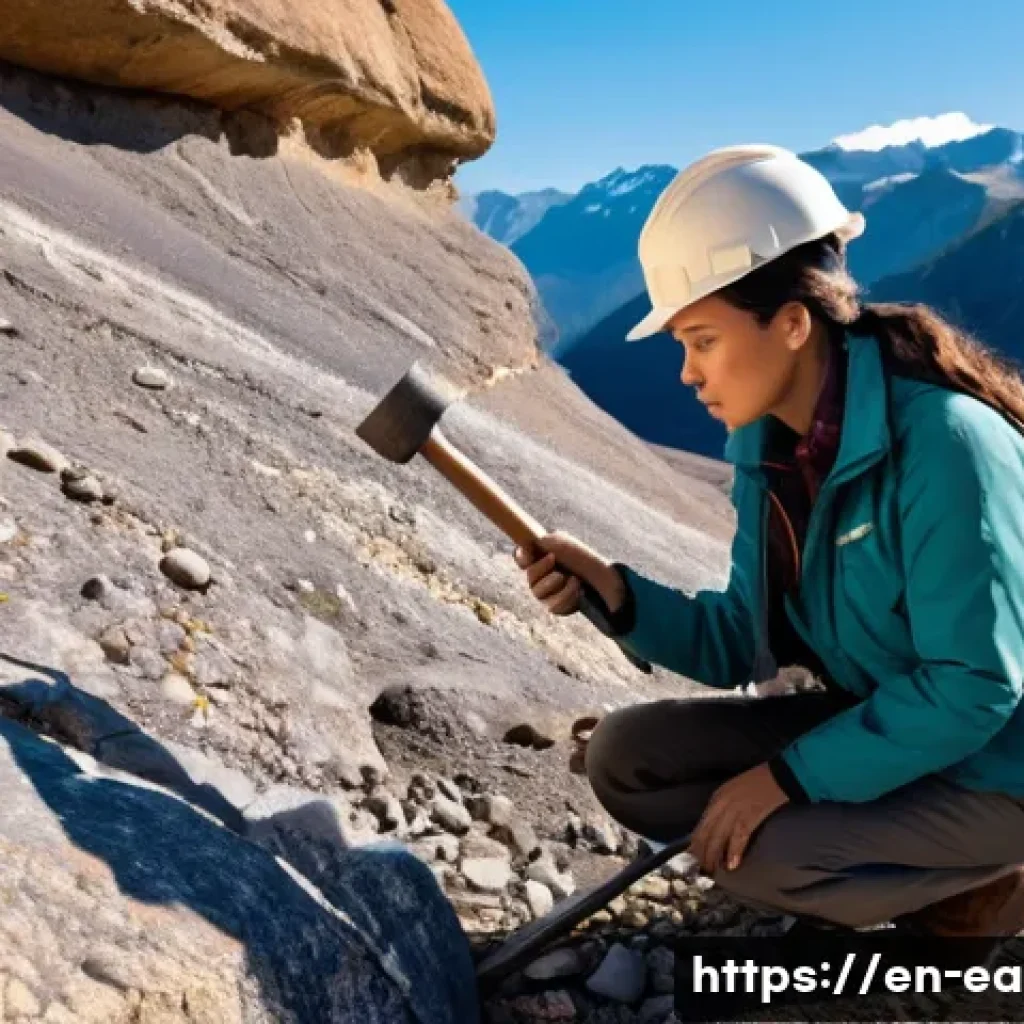
As someone who’s spent countless hours in the field, I can tell you that nothing beats the thrill of uncovering a fossil or deciphering the story etched in a rock formation.
It’s like being a detective, piecing together clues to understand Earth’s past and predict its future.
The Building Blocks: Minerals and Rocks
Minerals are the fundamental building blocks of our planet, each with a unique chemical composition and crystal structure. Rocks, in turn, are aggregates of minerals, formed through various geological processes like igneous activity, sedimentation, and metamorphism.
The types of minerals and rocks found in a particular area can tell us a lot about its geological history. For instance, finding granite suggests a history of volcanic activity, while sedimentary rocks like sandstone indicate the presence of ancient oceans or rivers.
Plate Tectonics: The Engine of Change
Plate tectonics is the theory that Earth’s lithosphere is divided into several plates that move and interact with each other. This movement is responsible for many of the Earth’s most dramatic geological features, including mountains, volcanoes, and earthquakes.
I remember one field trip to the Andes Mountains where we could literally see the evidence of plate tectonics in action – towering peaks formed by the collision of the Nazca and South American plates.
Antarctica: A Frozen Laboratory for Earth Science
Antarctica, a continent covered in ice, is a unique and invaluable laboratory for Earth science. Its isolation and extreme climate provide a pristine environment for studying a wide range of phenomena, from climate change to the evolution of life.
Ice Cores: A Window into the Past
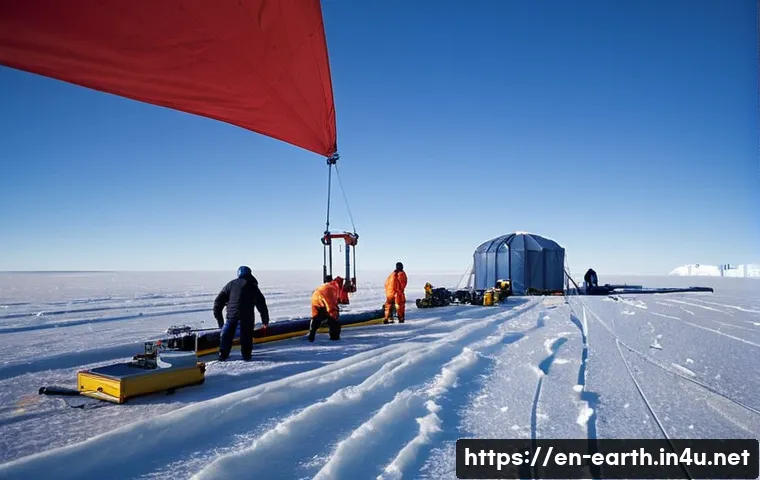
Ice cores are cylinders of ice drilled from glaciers or ice sheets. These cores contain trapped air bubbles and other particles that provide a detailed record of past climate conditions.
By analyzing ice cores from Antarctica, scientists can reconstruct past temperatures, atmospheric composition, and even volcanic activity. It’s like reading a time capsule that reveals the secrets of Earth’s climate history.
Subglacial Lakes: Hidden Ecosystems
Beneath the Antarctic ice sheet lie hundreds of subglacial lakes, bodies of water that have been isolated from the atmosphere for millions of years. These lakes may harbor unique ecosystems adapted to the extreme conditions of darkness, cold, and high pressure.
Studying these ecosystems can provide insights into the potential for life in other extreme environments, such as the icy moons of Jupiter and Saturn.
Climate Change: Antarctica’s Canary in the Coal Mine
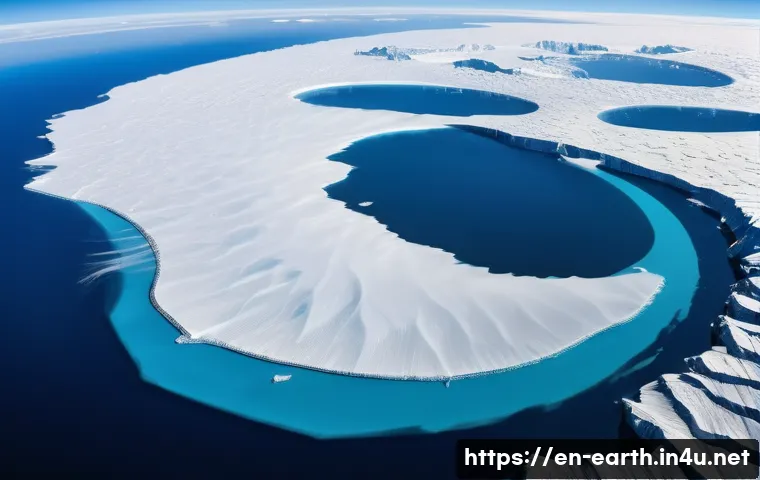
Antarctica is particularly vulnerable to the effects of climate change. The melting of ice sheets and glaciers is contributing to sea level rise, and changes in ocean temperature and acidity are affecting marine ecosystems.
Monitoring these changes in Antarctica is crucial for understanding the global impacts of climate change and developing strategies for mitigation and adaptation.
I’ve seen firsthand the changes happening in Antarctica, and it’s a stark reminder of the urgent need to address climate change.
Tools of the Trade: Exploring the Earth
Earth scientists use a variety of tools and techniques to study our planet, from traditional field methods to advanced technologies.
Remote Sensing: Eyes in the Sky
Remote sensing involves using satellites and aircraft to collect data about Earth’s surface. This data can be used to create maps, monitor changes in land use, and study geological features.
I’ve used satellite imagery to identify potential areas for mineral exploration and to track the movement of glaciers.
Geophysics: Probing the Depths
Geophysics uses physical principles to study the Earth’s interior. Techniques like seismic surveys and gravity measurements can reveal information about the structure and composition of the Earth’s crust and mantle.
Why Earth Science Matters: Protecting Our Future
Earth science is not just an academic pursuit; it has important implications for society. Understanding Earth’s processes can help us manage natural resources, mitigate natural hazards, and adapt to climate change.
Natural Resources: A Sustainable Approach
Earth science plays a crucial role in finding and managing natural resources like minerals, oil, and groundwater. By understanding the geological processes that form these resources, we can develop more sustainable methods for their extraction and use.
Natural Hazards: Reducing the Risks
Earthquakes, volcanoes, and landslides are all natural hazards that can have devastating consequences. Earth science can help us understand these hazards and develop strategies for reducing their risks, such as building codes for earthquake-prone areas and monitoring volcanic activity.
Climate Change Adaptation: Preparing for the Future
Climate change is already having a significant impact on our planet, and these impacts are likely to become more severe in the future. Earth science can help us understand these impacts and develop strategies for adapting to them, such as building seawalls to protect coastal communities and developing drought-resistant crops.
Careers in Earth Science: Making a Difference
If you’re passionate about the Earth and want to make a difference, a career in Earth science might be for you. There are many different career paths to choose from, depending on your interests and skills.
Geologist
Geologists study the Earth’s composition, structure, and processes. They may work in a variety of settings, including academia, industry, and government.
Geophysicist
Geophysicists use physical principles to study the Earth’s interior. They may work in oil and gas exploration, environmental consulting, or research.
Environmental Scientist
Environmental scientists study the interactions between humans and the environment. They may work on issues like pollution, climate change, and resource management.
Here’s a table summarizing some key aspects of Earth Science and Antarctic Research:
| Field | Focus | Importance |
|---|---|---|
| Earth Science | Understanding Earth’s systems, history, and processes. | Resource management, hazard mitigation, climate change adaptation. |
| Antarctic Research | Studying climate change, ice sheet dynamics, and life in extreme environments. | Climate change monitoring, understanding global impacts, potential for new discoveries. |
| Geology | Study of the Earth’s structure, rocks, minerals, and the processes that shape them. | Finding resources, understanding Earth’s history, predicting and mitigating natural hazards. |
| Geophysics | Study of the Earth’s physical properties and processes using techniques like seismic surveys and gravity measurements. | Understanding the Earth’s interior, exploring for resources, monitoring tectonic activity. |
| Environmental Science | Study of the interactions between humans and the environment, and solutions to environmental problems. | Protecting the environment, ensuring sustainable resource use, addressing climate change. |
Earth science is an exciting field with lots to offer. From understanding the building blocks of our planet to predicting the impacts of climate change, Earth scientists play a crucial role in shaping our future.
If you’re passionate about the Earth, there’s a career path for you.
Concluding Thoughts
Exploring Earth science reveals the intricate processes that have shaped our planet over billions of years. From the movement of tectonic plates to the delicate balance of ecosystems in Antarctica, every aspect of Earth science offers valuable insights into our past, present, and future.
By studying the Earth, we can better understand how to protect its resources, mitigate natural hazards, and adapt to the challenges of climate change.
It’s a field that combines adventure with critical thinking, offering a unique perspective on the world around us and our place within it.
Handy Information to Keep in Mind
Here are some key facts to remember:1. Minerals and Rocks: Minerals are the basic building blocks of rocks, which in turn form the Earth’s crust. Different types of rocks (igneous, sedimentary, and metamorphic) tell different stories about a region’s geological history.
2. Plate Tectonics: The theory of plate tectonics explains many of Earth’s most dramatic features, such as mountains, volcanoes, and earthquakes. The movement and interaction of these plates constantly reshape the planet’s surface.
3. Antarctica’s Ice Cores: Ice cores from Antarctica provide a detailed record of past climate conditions, allowing scientists to reconstruct temperatures, atmospheric composition, and volcanic activity over hundreds of thousands of years.
4. Remote Sensing: Satellites and aircraft collect data about Earth’s surface, which can be used to monitor changes in land use, study geological features, and track the movement of glaciers.
5. Geophysics: Geophysical techniques, like seismic surveys and gravity measurements, help us understand the Earth’s interior structure and composition, offering insights into everything from oil and gas deposits to tectonic activity.
Key Takeaways
* Earth science helps manage resources sustainably and reduce risks from natural disasters. * Antarctic research is critical for understanding and addressing climate change.
* Geology provides insights into Earth’s history and helps predict natural hazards. * Geophysics allows us to study the Earth’s interior and explore for resources.
* Environmental science focuses on protecting the environment and promoting sustainable practices.
Frequently Asked Questions (FAQ) 📖
Q: Q1: Why is
A: ntarctic research such a big deal for our planet, anyway? Answer Focus: Emphasize its role as Earth’s “thermostat” and a crucial climate archive. Talk about ice cores telling us about past climates, how ice melt impacts global sea levels, and its influence on global weather and ocean currents.
Mention the ozone hole discovery as a concrete win. EEAT/Personal Touch: “I’ve always been fascinated by how this remote place affects us all,” or “When I first learned about ice cores, it completely blew my mind…”
Q: What kinds of cool science do scientists actually do down there in that extreme cold?
A: nswer Focus: Showcase the diversity – not just ice! Mention glaciology, oceanography, studying unique wildlife (penguins, krill), geology (ancient Earth), atmospheric science (ozone, space weather), and even looking for meteorites or testing gear for Mars.
EEAT/Personal Touch: “You might think it’s just about ice, but trust me, it’s so much more!”, “Imagine spending weeks hunting for space rocks on a vast white desert…”
Q: How does all this far-off
A: ntarctic research actually affect my everyday life? Answer Focus: Directly link research outcomes to common concerns. Sea-level rise affecting coastal communities, weather patterns influencing agriculture and travel, understanding resources (fisheries), even inspiration for new technologies or medicines from extremophiles.
Reiterate the ozone layer success as a tangible benefit. EEAT/Personal Touch: “It’s easy to feel like Antarctica is a world away, but believe me, its heartbeat directly impacts yours,” or “When I think about future generations, I realize how vital this work is.”I will now construct the response.
Q: Why is
A: ntarctic research such a big deal for our planet, anyway? A1: You know, it’s easy to look at Antarctica on a map and think, “That’s so far away, how could it possibly affect me?” But trust me, this frozen continent is like the Earth’s very own climate control center, and what happens there truly impacts every single one of us.
From my perspective, diving into the science behind Antarctica is like reading the ultimate historical document of our planet’s climate. Think about those incredible ice cores scientists drill deep down into the ice sheet – they’re basically capturing ancient air bubbles and layers of snow that tell us what Earth’s atmosphere was like hundreds of thousands, even millions of years ago.
It’s a breathtaking look into our past that helps us predict our future. But it’s not just history. Antarctica plays a massive role in regulating global sea levels.
We’re talking about the largest store of freshwater on Earth, locked up in that colossal ice sheet. When that ice melts, it directly contributes to rising sea levels, which, let’s be real, is a huge concern for coastal communities and cities worldwide.
It’s not just a distant problem; it’s a global challenge that scientists are diligently tracking from the Antarctic. Beyond that, the Southern Ocean, which swirls around Antarctica, is a key player in global ocean currents and weather patterns.
It’s like the heart of a massive circulation system, distributing heat and nutrients across the globe. So, the research conducted there isn’t just for scientists; it’s providing vital information that helps us understand our world and make smarter decisions for future generations.
Q: What kinds of cool science do scientists actually do down there in that extreme cold?
A: When I first heard about Antarctic research, I pictured folks bundled up, constantly measuring ice, and while that’s definitely a part of it, the sheer variety of science happening down there blew me away!
It’s truly a natural laboratory where some of the most unique research takes place. Of course, glaciology is huge – studying the ice itself, how it moves, melts, and forms, is crucial for understanding climate change.
But then you have oceanographers mapping the mysterious depths of the Southern Ocean, tracking currents, and observing marine life, from tiny krill to massive whales.
Biologists are investigating how incredible organisms, like penguins and seals, adapt to such brutal conditions, and even discovering unique microbes in subglacial lakes that could hold secrets for medicine or even life beyond Earth.
Geologists are literally uncovering the continent’s ancient past, digging into rocks to piece together Earth’s history before it froze over. And get this – astronomers and astrophysicists are there too!
The dry, clear air and long periods of darkness make it an unparalleled spot for studying the cosmos, spotting meteorites, and even observing space weather that can impact our communication systems back home.
It’s a truly multidisciplinary effort, and when you see photos of the researchers in action, sometimes even testing equipment for future Mars missions, you just can’t help but be inspired by their dedication.
Q: How does all this far-off
A: ntarctic research actually affect my everyday life? A3: That’s a fantastic question, and one I think about a lot when I’m reading up on these amazing discoveries!
It’s easy to feel disconnected from a continent so remote, but believe me, the insights from Antarctic research ripple out to impact us all, often in ways we don’t even realize.
For starters, that whole sea-level rise issue we talked about? The more accurately scientists in Antarctica can predict ice melt, the better we can prepare our coastal communities around the world.
That means smarter urban planning, better infrastructure decisions, and ultimately, protecting homes and livelihoods. Beyond that, understanding global weather patterns is a huge one.
Antarctica’s influence on global ocean currents and atmospheric circulation means that research there can help us forecast everything from extreme weather events to long-term climate shifts that affect agriculture, travel, and even how we heat our homes.
Remember the discovery of the ozone hole back in the 80s? That groundbreaking find by Antarctic scientists led to international agreements that helped us heal the ozone layer, protecting all of us from harmful UV radiation.
That’s a direct, life-saving impact! And let’s not forget the sheer inspiration. Discovering extremophile organisms that thrive in the harshest conditions can lead to breakthroughs in biotechnology or even medical treatments, showing us new ways life adapts.
Plus, the advanced technologies and logistical innovations developed to support research in such an extreme environment often find their way into everyday applications, making our lives safer and more efficient.
So, next time you see a headline about Antarctica, think of it not as a distant, abstract place, but as a vital part of our global ecosystem whose well-being directly contributes to yours.