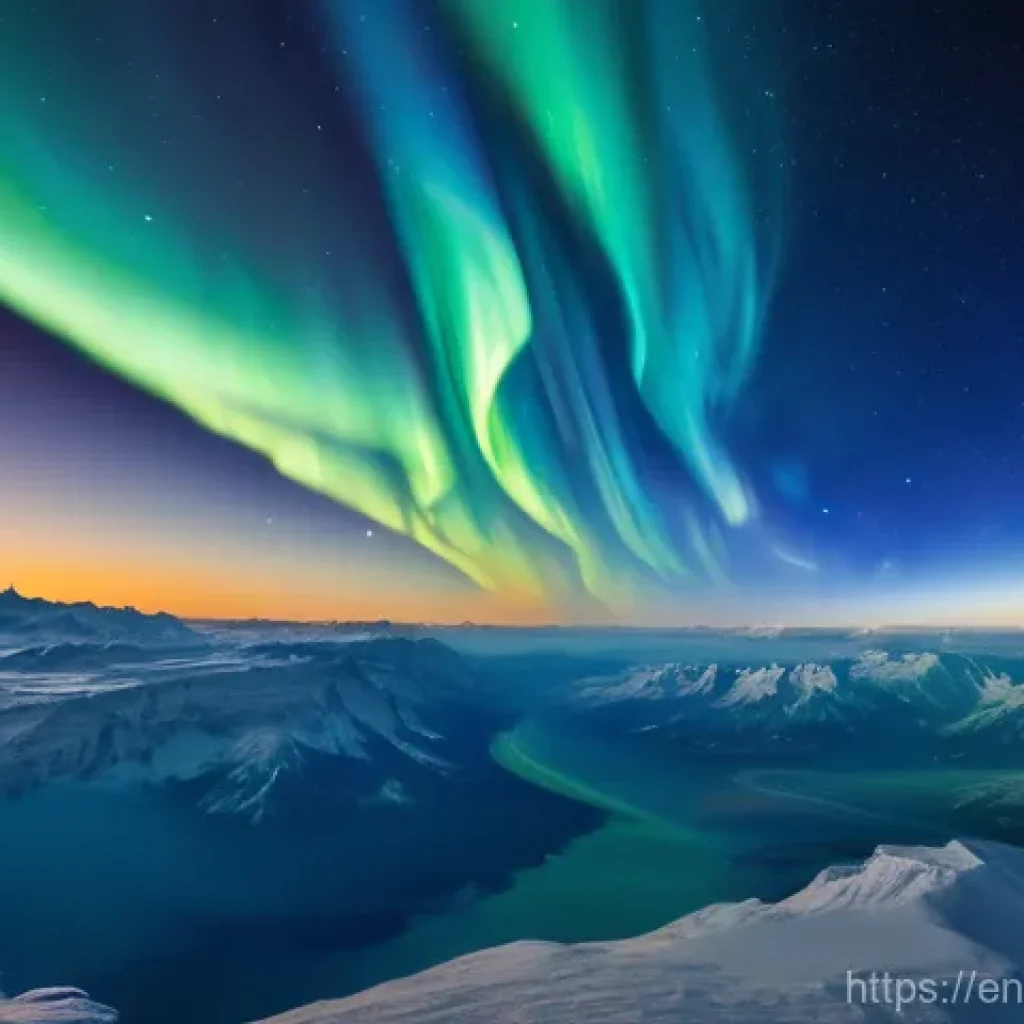
Hey there, Earthlings and curious minds! I’ve been diving deep into some truly mind-blowing discoveries about our planet lately, and let me tell you, what’s happening right above our heads is more fascinating—and critical—than ever.
You know, we often take for granted that thin, beautiful blue veil protecting us, but it’s a dynamic, ever-changing system with secrets scientists are only just beginning to unravel.
Imagine discovering that our very atmosphere is subtly leaking into space, a mystery that baffled researchers for sixty years until they found an invisible electric field literally lifting particles away!
And speaking of space, the Sun’s not just for tanning; its dramatic outbursts, like solar flares and massive plasma eruptions, are constantly interacting with our atmosphere, creating everything from dazzling auroras to actual disruptions in our tech, like GPS and power grids.
Honestly, when I first read about how these solar events can blackout radio communications, it made me really think about how intertwined our modern lives are with these incredible, unseen forces.
It’s not just about understanding the ‘how’; it’s about seeing how these ancient processes are still shaping our world and future, especially as we face unprecedented changes here on the ground.
This isn’t just textbook stuff; it’s about the very air we breathe and the future of our home. So, if you’re ready to peel back the layers and discover the incredible story of our atmosphere and Earth’s structure, let’s explore this together in much more detail below.
Hey there, fellow Earthlings! As someone who practically lives and breathes all things Earth science (and let’s be real, I spend *a lot* of time scouring the latest research), I’m absolutely buzzing to share some truly incredible insights about our home planet.
You know, we often gaze up at the vastness of space and feel so small, but what’s happening both above our heads and deep beneath our feet is a constant, magnificent show.
It’s a dynamic interplay of forces that not only shaped our world but continues to impact our modern lives in ways we might not even realize. So, buckle up, because we’re about to take a deep dive into some truly mind-blowing phenomena!
The Atmospheric Ballet: Earth’s Invisible Embrace
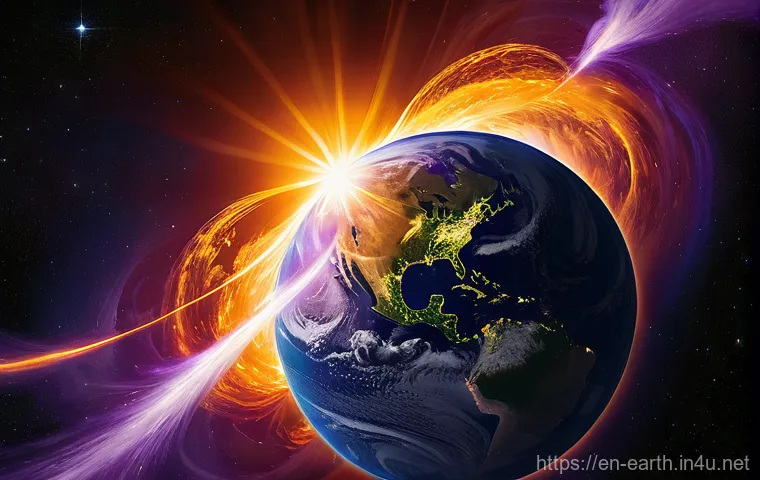
Our planet’s atmosphere isn’t just a static blanket; it’s a living, breathing, multi-layered shield that performs an elaborate dance to protect us from the harsh realities of space.
I mean, honestly, it’s like our Earth has its own personal force field, deflecting everything from tiny meteoroids to blasts of high-energy solar radiation.
Without this incredible atmospheric embrace, life as we know it wouldn’t stand a chance. It regulates our temperatures, provides the air we breathe, and even creates that gorgeous blue sky we often take for granted.
It’s truly a marvel when you think about it—a complex system of gases, constantly in motion, protecting us from the void.
Layers of Our Sky-High Sanctuary
Imagine our atmosphere as a magnificent, invisible layer cake, each tier with its own unique flavor and purpose. Starting from the ground up, we live in the troposphere, where all our weather happens and most of the air and water vapor reside.
Above that is the stratosphere, home to the crucial ozone layer that absorbs harmful ultraviolet (UV) radiation from the Sun, essentially acting as Earth’s sunscreen.
Then there’s the mesosphere, where meteors put on their fiery shows as they burn up upon entry. Higher still, the thermosphere is incredibly thin but gets super hot due to absorbing intense solar radiation, and it’s where the magical auroras dance.
Finally, the exosphere gradually fades into the vacuum of space, a truly breathtaking transition. Each layer plays a vital role in making our planet habitable.
The Air We Lose: A Cosmic Mystery
For decades, scientists have been scratching their heads over a fascinating paradox: our atmosphere, this seemingly robust shield, is actually “leaking” into space.
This phenomenon, known as atmospheric escape, is a gradual loss of atmospheric gases to the cosmos. While it sounds alarming, it’s a natural process driven by several mechanisms.
Think of it like this: energetic particles at the very top of the atmosphere sometimes get enough kinetic energy to simply float away from Earth’s gravitational pull.
What truly blows my mind is how the Sun, while giving us life, also contributes to this escape. Its extreme ultraviolet (EUV) radiation can heat the upper atmosphere to such high temperatures that gases expand upwards and accelerate, eventually reaching escape velocity.
This isn’t just textbook stuff; understanding this helps us grasp how planetary atmospheres evolve over billions of years, and why some planets, like Mars, lost most of theirs.
Solar Rhythms: When Our Star Gets Rowdy
The Sun, our life-giver, is far from a quiet neighbor. It’s a dynamic star constantly throwing tantrums, from spectacular solar flares to massive coronal mass ejections (CMEs).
These events are like cosmic punches, sending bursts of energy and charged particles hurtling towards Earth. When I first learned about how these solar outbursts can actually disrupt our planet, it made me really appreciate the protective systems we have in place.
It’s not just about pretty auroras; it’s about the very real impact these events can have on our technology and daily lives.
Flares, CMEs, and Geomagnetic Storms
Imagine the Sun letting out a massive sneeze: that’s kind of what a solar flare feels like! These intense bursts of electromagnetic radiation erupt from the Sun’s surface, accelerating charged particles to incredible speeds.
Often, they’re accompanied by Coronal Mass Ejections (CMEs), which are colossal clouds of magnetized plasma and radiation. When these CMEs slam into Earth’s magnetic field, they can trigger geomagnetic storms.
These storms, my friends, are the reason for those dazzling auroral displays near the poles, but they can also cause some serious headaches for us down here.
I remember one time, during a particularly strong solar storm, my shortwave radio signal totally cut out. It was a stark reminder of how interconnected we are with these cosmic events, even when we don’t directly see them.
The Tech Tangle: Space Weather’s Modern Impact
Now, here’s where it gets really personal. Our modern world runs on technology, and a significant portion of that tech is vulnerable to space weather.
Think about it: GPS, satellite communications, power grids—they all rely on systems that can be affected by solar events. High-energy particles from solar flares can interfere with satellites, leading to anything from minor glitches to outright equipment damage.
If you’ve ever had your GPS signal drop out in the middle of nowhere, or seen reports of power grid disruptions in certain regions, space weather might just be the culprit.
I even heard a story about farmers whose GPS-guided tractors were idled during a recent solar storm, impacting their planting season. It’s a humbling reminder that even with all our advancements, we’re still very much at the mercy of cosmic forces.
Earth’s Inner Sanctum: A Fiery Heartbeat
While our atmosphere shields us from above, the Earth’s very core provides another, equally crucial form of protection: our planet’s magnetic field. This incredible, invisible force field is generated by the swirling, molten iron in our planet’s outer core.
It’s truly mind-boggling to think that something so vital for life is happening thousands of miles beneath our feet, a fiery heartbeat that keeps us safe.
Journey to the Center: Our Planet’s Layers
Our Earth is structured much like an onion, with distinct layers, each with its own incredible characteristics. At the very center is the super-hot, solid inner core, made mostly of iron and nickel.
Surrounding that is the liquid outer core, which is responsible for generating our precious magnetic field. Above that lies the mantle, a thick, hot layer of semi-solid rock that flows incredibly slowly, driving the movement of tectonic plates.
Finally, we live on the crust, our planet’s thin, outermost shell. Each layer plays a role in the grand geological processes that shape our world.
The Magnetic Shield: Our Invisible Guardian
Okay, so let’s talk about the magnetosphere—Earth’s very own magnetic bubble. This isn’t just a cool concept; it’s absolutely essential for our survival.
Generated by the fluid motion of the outer core, it extends far out into space, acting as a colossal shield against the constant barrage of charged particles from the Sun, known as the solar wind, and even cosmic rays from deep space.
Without this magnificent shield, the solar wind would gradually strip away our atmosphere, leaving our planet barren and lifeless, much like Mars. It’s a silent guardian, constantly working, deflecting harmful energy away and trapping some of it in regions like the Van Allen radiation belts.
Every time I think about it, I’m just amazed by the sheer ingenuity of our planet’s natural defenses.
The Deep Earth’s Breath: Tectonics and Atmospheric Ties
It might seem strange to connect something happening deep within the Earth, like tectonic plate movements, with the atmosphere above, but believe me, the links are profound.
The Earth is a single, interconnected system, and what happens in one part inevitably influences another. Plate tectonics, with its continental shifts and volcanic eruptions, has played a massive role in shaping our climate and the very composition of the air we breathe over geological timescales.
Moving Mountains, Shifting Air
Plate tectonics is all about the slow, majestic dance of Earth’s crustal plates, driven by convection currents in the mantle. These movements aren’t just responsible for earthquakes and mountain ranges; they’ve fundamentally altered ocean currents, continental distributions, and even the patterns of atmospheric circulation over millions of years.
When continents clump together, global climate patterns shift dramatically. When they spread apart, new oceans form, influencing moisture distribution and temperature regulation.
It’s like the Earth is constantly redecorating its own living room, and each change has ripple effects on the atmosphere.
Volcanoes: Earth’s Atmospheric Regulators
Volcanic eruptions, a direct result of plate tectonics, are not just destructive events; they’re also powerful atmospheric players. While short-term eruptions can spew ash and gases that temporarily cool the planet, over the long haul, volcanoes act as crucial regulators of Earth’s climate by releasing gases like carbon dioxide into the atmosphere.
This might sound counterintuitive given today’s concerns about CO2, but historically, this natural process has been vital for maintaining a habitable Earth by contributing to the greenhouse effect.
Without this steady release, atmospheric CO2 levels could drop too low, potentially turning our planet into a frozen wasteland. It’s a delicate balance, and plate tectonics is a key conductor in this grand orchestra.
| Atmospheric Layer | Approximate Altitude Range | Key Characteristics & Role |
|---|---|---|
| Troposphere | 0-12 km (0-7.5 miles) | Where all weather occurs; contains most air and water vapor; temperature decreases with height. Essential for life. |
| Stratosphere | 12-50 km (7.5-31 miles) | Home to the ozone layer, which absorbs harmful UV radiation; temperature increases with height. |
| Mesosphere | 50-85 km (31-53 miles) | Meteors burn up here; coldest layer of the atmosphere; temperature decreases with height. |
| Thermosphere | 85-700 km (53-435 miles) | Absorbs X-ray and UV radiation, leading to high temperatures; site of auroras; includes the ionosphere. |
| Exosphere | 700-10,000 km (435-6200 miles) | Outermost layer, gradually fades into space; extremely thin air. |
Protecting Our Planetary Home: A Collective Responsibility
Understanding these incredible processes—from atmospheric escape to the Sun’s dynamic influence and Earth’s deep internal structure—isn’t just for scientists.
It’s about recognizing the delicate balance that makes our planet habitable and appreciating the natural forces that constantly shape it. As an enthusiast who delves into these topics daily, I truly feel a sense of wonder, but also a profound responsibility.
We are part of this intricate system, and our actions inevitably ripple through it. Learning about Earth’s magnificent operations, its invisible shields, and its fiery heart reminds me that our home is a precious, dynamic, and truly awe-inspiring place that deserves our utmost care and respect.
글을 마치며
And there you have it, folks! It’s truly a journey that reminds us how incredibly dynamic and breathtaking our home planet is, from the invisible dance of its atmosphere to the fiery heart beating miles beneath our feet. I genuinely hope this deep dive into Earth’s magnificent operations has sparked a similar sense of wonder and curiosity in you. It’s a grand, ongoing story, and we’re all a part of it, constantly learning and rediscovering the magic of our blue marble.
알아두면 쓸모 있는 정보
1. Ever wondered about the Northern Lights? Keep an eye on space weather forecasts from sites like the NOAA Space Weather Prediction Center! When solar activity is high, you’re more likely to catch those mesmerizing auroral displays, especially if you’re living in higher latitudes. I’ve personally used these forecasts to plan camping trips just to chase the aurora, and let me tell you, it’s an experience that truly connects you to the cosmos. It’s not just a beautiful light show; it’s a direct interaction between our magnetosphere and the Sun’s charged particles, a cosmic ballet playing out above our heads. Understanding the forecast can really enhance your chances of witnessing one of Earth’s most spectacular natural phenomena.
2. Thinking about your local geography? Take a moment to appreciate the tectonic forces that shaped it! Whether you’re hiking in mountains, exploring coastal cliffs, or simply driving through rolling hills, every landscape tells a story of ancient plate movements, volcanic eruptions, and geological shifts. Understanding these processes can give you a whole new perspective on the ground beneath your feet. I remember visiting the Grand Canyon and being absolutely awestruck by the sheer scale of geological time etched into those layers; it’s a living textbook of Earth’s history, constantly being rewritten by the subtle yet powerful forces deep within. Each crack and crevice has a tale to tell.
3. Did you know your electronics can be affected by solar activity? Major solar flares and CMEs can induce currents in power grids, disrupt satellite communications, and even affect GPS accuracy. While severe disruptions are rare, understanding “space weather” helps us build more resilient infrastructure and prepare for potential impacts. It’s something I started paying attention to after a friend who works with power grid maintenance mentioned the subtle stresses these events can put on the system. It’s a good reminder that our advanced technology, as robust as it seems, is still very much a part of the larger cosmic dance.
4. The air you breathe is more than just oxygen! It’s a delicate blend of gases, constantly cycling through Earth’s systems. From the tiny organisms in the ocean producing oxygen to the forests acting as carbon sinks, every part of our planet plays a role in maintaining the atmosphere. Take a moment to appreciate this intricate balance next time you take a deep breath; it’s a testament to the living, breathing nature of Earth itself. I often think about how every tree planted, every clean-up effort, contributes to maintaining this life-sustaining embrace, making our individual actions feel truly impactful in the grand scheme of things.
5. Want to dive deeper into Earth science? There are countless incredible documentaries, online courses from universities, and citizen science projects that allow you to contribute to real research. Whether it’s tracking meteor showers, reporting cloud observations, or even learning about local geological formations, getting involved can be incredibly rewarding. I’ve personally joined a few online astronomy groups, and the camaraderie and shared passion for discovery are truly inspiring. It’s a fantastic way to turn abstract knowledge into tangible understanding and connection, proving that you don’t need a Ph.D. to be a valuable contributor to scientific understanding.
중요 사항 정리
To wrap things up, let’s distill the essence of what we’ve explored today. First, remember that Earth’s atmosphere is our multi-layered, dynamic shield, constantly protecting us from the harshness of space while also being subtly shaped by processes like atmospheric escape. It’s an incredibly complex system, far from static, and its health directly impacts our ability to thrive. Second, our life-giving Sun isn’t always serene; its solar flares and coronal mass ejections are powerful events that send cosmic ripples across the solar system, occasionally triggering geomagnetic storms that can affect our technology and even create stunning auroras. It’s a powerful reminder of our cosmic connections.
Third, deep beneath our feet, the Earth’s molten core acts as a fiery engine, generating the invisible magnetic field that truly protects us from the most harmful solar radiation and space particles. Without this magnetic bubble, life as we know it would simply not exist; it’s our silent, colossal guardian. Finally, the slow, majestic dance of tectonic plates isn’t just about earthquakes and volcanoes; it’s a fundamental force that interconnects with our atmosphere, influencing climate patterns and the very air we breathe over geological timescales. This constant interplay of forces, both from above and below, paints a picture of a truly alive and responsive planet.
These intricate relationships highlight that Earth is a singular, interconnected system where every process influences another. Understanding these natural phenomena isn’t just academic; it empowers us to appreciate the delicate balance that makes our planet habitable. As someone who lives for this stuff, I genuinely feel that recognizing these profound connections fosters a deeper sense of responsibility towards our incredible home. It’s about more than just knowledge; it’s about stewardship, and realizing that we are inextricably linked to the grand, ongoing story of Earth.
Frequently Asked Questions (FAQ) 📖
Q: What’s really going on with our atmosphere “leaking” into space, and is it something we should actually be concerned about?
A: You know, when I first read about our atmosphere subtly leaking into space, it sounded pretty dramatic, right? Like, are we just going to run out of air?
(Spoiler alert: No, not anytime soon!) But seriously, for sixty years, scientists were scratching their heads over how tiny particles were being lifted away from our planet, until they finally pinpointed an invisible electric field doing the heavy lifting.
This field essentially gives these atmospheric particles an energetic boost, flinging them out beyond Earth’s gravitational pull. It’s a natural, ongoing process, largely happening at the poles where Earth’s magnetic field lines funnel these charged particles.
Think of it less like a burst pipe and more like a slow, constant evaporation. While it’s not an immediate crisis for the air we breathe, understanding this “leakage” helps us grasp the long-term evolution of planetary atmospheres.
It’s a huge piece of the puzzle in understanding how planets retain or lose their atmospheres over billions of years, and what that means for the potential for life elsewhere.
So, no need to panic, but it’s a fascinating insight into our dynamic planet!
Q: How do those powerful solar flares and eruptions we sometimes hear about truly impact our everyday lives here on Earth?
A: It’s wild to think that something happening nearly 93 million miles away can mess with your GPS, right? But that’s exactly what these incredible, fiery outbursts from the Sun, like solar flares and massive coronal mass ejections (CMEs), can do!
When these colossal bursts of energy and plasma hit Earth’s magnetosphere, they stir up what we call geomagnetic storms. The most visually stunning result is, of course, the dazzling auroras – the Northern and Southern Lights – which are basically our atmosphere putting on a light show as it reacts to these incoming particles.
But beyond the beauty, these events have very real, practical implications. I remember reading about how strong solar flares can cause radio blackouts, which can affect everything from airline communications to ham radio operators.
More intensely, they can disrupt satellite signals, including the ones our GPS systems rely on, leading to navigation errors. Even more concerning, a really powerful CME could induce surges in long-distance power grids, potentially causing blackouts, as we’ve seen happen historically.
It really makes you realize how interconnected our modern, tech-reliant lives are with these ancient, powerful forces of the cosmos!
Q: Beyond just protecting us from space, what makes Earth’s atmosphere so incredibly special and absolutely vital for life as we know it?
A: When I stop to think about it, Earth’s atmosphere is truly remarkable—it’s like this perfectly tailored suit for life! We often talk about its role in shielding us from harmful solar radiation and space debris, which is absolutely crucial, but its job description is so much richer.
What makes it so special is its unique composition, a delicate blend of nitrogen, oxygen, argon, and just the right amount of greenhouse gases. This mix isn’t just for breathing; it acts as a global thermostat, trapping enough warmth to keep our planet habitable, preventing us from freezing solid like Mars or boiling like Venus.
It also orchestrates the entire water cycle, moving moisture from oceans to land, feeding rivers and sustaining ecosystems. Have you ever considered how much we rely on it for things like sound propagation, allowing us to communicate, or for the very weather patterns that shape our landscapes?
It’s a dynamic, ever-changing system that literally recycles our air, distributes heat, and creates the conditions for biodiversity to flourish. It’s not just a protective bubble; it’s an active, living component of our planet that constantly shapes our world and the future of every living thing on it.