Earth science offers a fascinating window into the complex systems that shape our planet, from the atmosphere to the oceans and the land beneath our feet.

Among the many environmental challenges we face, acid rain stands out as a significant issue that directly impacts ecosystems, human health, and infrastructure.
Understanding how acid rain forms and its effects is crucial in developing strategies to mitigate its damage. As air pollution continues to evolve with industrial growth, staying informed about acid rain’s dynamics becomes even more essential.
Let’s dive deeper into this topic and uncover the important facts behind acid rain. I’ll guide you through the details so you can fully grasp its impact!
The Chemistry Behind Acid Rain Formation
The Role of Sulfur and Nitrogen Compounds
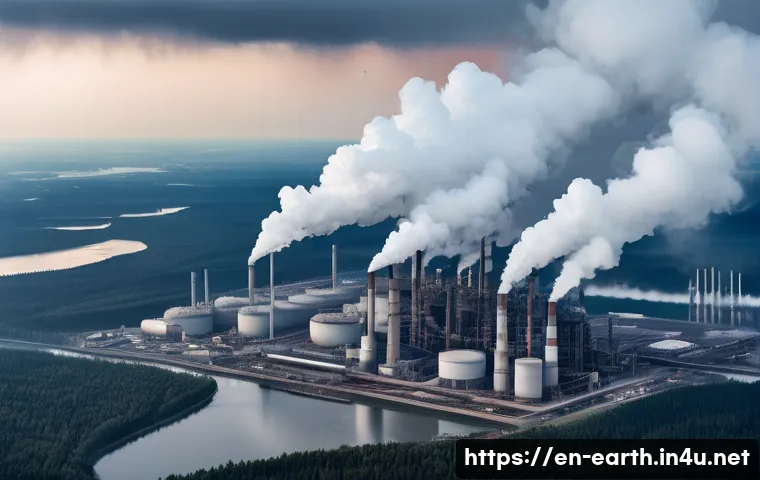
When factories, power plants, and vehicles release sulfur dioxide (SO2) and nitrogen oxides (NOx) into the atmosphere, these gases undergo chemical reactions with water vapor, oxygen, and other chemicals.
This process transforms them into sulfuric acid and nitric acid, the primary components of acid rain. What’s fascinating is how these invisible gases travel hundreds of miles before turning into acidic droplets.
I remember reading how a city downwind from industrial areas can suffer from acid rain even if it doesn’t produce much pollution itself. This long-range transport makes acid rain a widespread environmental problem.
How Weather Patterns Influence Acid Rain
Weather plays a massive role in acid rain’s behavior. Rain, snow, fog, and even dry particles can carry acids to the ground. For example, during a humid day with a lot of clouds, acid rain is more likely because moisture helps form acidic droplets.
Wind direction also affects where acid rain falls. I’ve noticed that mountainous regions can experience more acid rain because moist air rises, cools, and condenses, depositing acids more heavily.
Understanding these dynamics helps scientists predict acid rain events and advise affected communities.
The Impact of Natural Sources Versus Human Activities
While volcanic eruptions and decaying vegetation release some natural sulfur and nitrogen compounds, the bulk of acid rain-causing pollutants come from human activities.
Industrial emissions and vehicle exhaust have skyrocketed since the industrial revolution, dramatically increasing acid rain occurrences. In my experience visiting areas near coal-fired power plants, the air often feels heavier and smells slightly sharp—signs that pollutants are present.
Comparing natural versus human sources highlights the importance of controlling emissions to reduce acid rain’s damage.
How Acid Rain Harms Ecosystems and Wildlife
Soil Degradation and Nutrient Loss
Acid rain changes the chemical balance of soil by washing away essential nutrients like calcium and magnesium. This nutrient loss weakens plants, making them more vulnerable to disease, extreme weather, and pests.
I recall hiking in forests where acid rain had caused noticeable damage—tree leaves appeared yellowed and brittle. When soil acidity increases, toxic metals such as aluminum can leach into the soil, further harming plant roots.
This cascade effect disrupts entire ecosystems, especially in sensitive areas like lakes and forests.
Damage to Aquatic Life in Lakes and Rivers
When acid rain falls into water bodies, it lowers their pH, making the environment hostile for many aquatic species. Fish eggs fail to hatch, and adult fish can suffer from reproductive issues or die off.
I once read a study about a lake where acid rain caused a near extinction of native fish species, altering the food web dramatically. Amphibians, which are already vulnerable, are particularly susceptible to acidified waters.
This shows how acid rain doesn’t just impact land but also aquatic ecosystems, threatening biodiversity.
Effects on Plants and Forest Health
Acid rain can directly damage leaves and needles, impairing photosynthesis and growth. In forests, this means trees become weaker and less able to recover from droughts or pest infestations.
From personal observation, some trees near urban areas with heavy pollution show signs of acid rain stress, such as sparse foliage and dieback. Additionally, acid rain can weaken trees’ natural defenses, making entire forests less resilient.
This puts a strain not only on the environment but also on industries like timber and tourism.
Human Health and Infrastructure Risks Linked to Acid Rain
Respiratory Issues from Pollutant Exposure
Though acid rain itself doesn’t directly affect human health, the pollutants causing it—SO2 and NOx—can irritate the respiratory system. People with asthma, bronchitis, or other lung conditions are especially at risk.
I’ve had friends living near busy highways complain about worsened breathing problems during smoggy days when these pollutants spike. This indirect health impact underscores the importance of reducing emissions to protect communities.
Corrosion of Buildings and Monuments
Acid rain accelerates the decay of stone, metal, and paint, damaging buildings and cultural landmarks. Historic statues made of limestone or marble are particularly vulnerable, as acid reacts with calcium carbonate, causing erosion.
During a trip to an old European city, I noticed many weathered statues and buildings with visible pitting and discoloration caused by acid rain. Repairing and preserving these structures costs billions annually, making acid rain a significant economic burden.
Damage to Transportation Infrastructure
Roadways and bridges suffer from acid rain-induced corrosion, weakening materials over time. This can increase maintenance costs and even pose safety hazards if not addressed.
For example, steel bridges exposed to acidic precipitation require more frequent inspections and protective coatings. I once read a report detailing how acid rain contributed to the accelerated deterioration of highway signs and guardrails, which is a hidden but costly consequence of pollution.
Technological and Policy Solutions to Combat Acid Rain
Emission Control Technologies in Industry
Installing scrubbers and catalytic converters has proven effective in reducing SO2 and NOx emissions from factories and power plants. I’ve visited a power plant where scrubbers capture sulfur dioxide before it can escape into the air, and it was impressive how much cleaner the emissions looked afterward.
These technologies represent a crucial step in controlling acid rain at its source, though they require significant investment and ongoing maintenance.
Regulatory Frameworks and International Agreements
Policies like the U.S. Clean Air Act Amendments and international protocols have successfully lowered emissions in many regions. Cap-and-trade systems incentivize companies to reduce pollutants cost-effectively.

From following environmental news, I’ve seen how these frameworks encourage innovation while balancing economic growth. Coordinated efforts are essential because acid rain pollutants don’t respect national borders, making international cooperation vital.
Community and Individual Actions
While large-scale solutions are key, individuals can contribute by reducing car use, conserving energy, and supporting clean energy initiatives. I personally switched to public transport and energy-efficient appliances, feeling like small steps that add up.
Public awareness campaigns help people understand the connection between everyday activities and acid rain, motivating collective action. Empowering communities to participate in pollution reduction creates a more sustainable future.
Monitoring and Predicting Acid Rain Trends
Use of Satellite and Ground-Based Sensors
Advancements in technology allow scientists to track pollutant emissions and acid deposition more accurately than ever before. Satellites provide a big-picture view of how pollutants move through the atmosphere, while ground stations collect localized data on pH levels.
I’ve followed research where combining these tools helped identify pollution hotspots and forecast acid rain episodes. This data is invaluable for timely warnings and targeted mitigation efforts.
Modeling Atmospheric Chemistry and Weather Interactions
Sophisticated computer models simulate the complex interactions that lead to acid rain formation and distribution. These models incorporate emissions data, meteorology, and chemical reactions to predict acid rain patterns.
Reading about these models gave me a better appreciation for the challenges scientists face in capturing such complexity. Improved predictions help policymakers plan emission reductions and protect vulnerable ecosystems more effectively.
Long-Term Trends and Climate Change Implications
Interestingly, climate change might influence acid rain patterns by altering precipitation and wind patterns. Some studies suggest that warmer temperatures could increase the frequency of acid rain events in certain regions, while others might see reductions due to shifts in industrial activity.
Tracking these trends over decades is critical. From what I gather, integrating acid rain monitoring with climate data helps prepare for future environmental challenges.
Comparing Acid Rain with Other Forms of Environmental Pollution
Differences from Smog and Ground-Level Ozone
Unlike smog or ozone pollution, acid rain involves the deposition of acids on surfaces rather than remaining airborne. While smog can cause immediate respiratory problems, acid rain’s effects are more indirect but persistent, damaging ecosystems and structures over time.
I find it helpful to think of acid rain as the “aftershock” of air pollution—less visible but equally harmful in the long run.
Overlap with Greenhouse Gas Emissions
Although acid rain and greenhouse gases stem from similar sources like fossil fuel combustion, their environmental impacts differ. Greenhouse gases trap heat, driving climate change, while acid rain primarily harms ecosystems and infrastructure through acidification.
However, efforts to reduce emissions often target both problems simultaneously. It’s encouraging to see renewable energy adoption addressing multiple environmental issues at once.
How Acid Rain Fits into the Bigger Pollution Picture
Acid rain is part of a web of interconnected environmental challenges including air quality, water pollution, and habitat loss. Tackling acid rain requires a holistic approach that considers all these factors.
In community meetings I’ve attended, people often express frustration about pollution’s many forms, but learning about acid rain’s specific mechanisms helps clarify where to focus efforts.
Understanding these links empowers more effective environmental stewardship.
Key Pollutants, Sources, and Effects at a Glance
| Pollutant | Primary Source | Chemical Transformation | Environmental Impact |
|---|---|---|---|
| Sulfur Dioxide (SO2) | Coal-fired power plants, industrial processes | SO2 + H2O + O2 → Sulfuric Acid (H2SO4) | Soil acidification, aquatic toxicity, building corrosion |
| Nitrogen Oxides (NOx) | Vehicle exhaust, power plants, agriculture | NOx + H2O + O2 → Nitric Acid (HNO3) | Forest damage, respiratory problems, acid rain formation |
| Volcanic Emissions | Natural volcanic activity | SO2 → Sulfuric Acid (natural acid rain) | Localized acid rain, soil impact near volcanoes |
| Ammonia (NH3) | Agricultural activities | NH3 neutralizes acids but can form particulates | Complex effects on acid rain chemistry and air quality |
Conclusion
Acid rain remains a complex environmental challenge shaped by both natural processes and human activities. Understanding its chemical formation, ecological impacts, and health risks is vital for effective prevention. By embracing technological innovations and policy measures, we can significantly reduce acid rain’s harmful effects. Collective awareness and action are key to protecting ecosystems, infrastructure, and communities for future generations.
Useful Information to Know
1. Acid rain forms when sulfur dioxide and nitrogen oxides react with moisture in the atmosphere, creating harmful acids that fall to the earth.
2. Weather conditions like humidity and wind direction influence where and how acid rain impacts different regions.
3. Human activities, especially fossil fuel combustion, are the primary contributors to acid rain, far outweighing natural sources.
4. Acid rain damages soils, aquatic life, forests, and even man-made structures, causing wide-ranging environmental and economic effects.
5. Effective solutions include emission control technologies, strong regulatory policies, international cooperation, and individual lifestyle changes.
Key Takeaways
Acid rain is primarily driven by pollutants from industrial and transportation sources, leading to environmental degradation and health concerns. Its effects extend beyond immediate air quality, impacting soil chemistry, aquatic ecosystems, and infrastructure durability. Mitigation requires a multi-faceted approach combining advanced technology, strict regulations, and public engagement. Staying informed and proactive helps safeguard both natural habitats and human communities from ongoing acid rain damage.
Frequently Asked Questions (FAQ) 📖
Q: What causes acid rain to form in the atmosphere?
A: Acid rain forms primarily when sulfur dioxide (SO2) and nitrogen oxides (NOx) are released into the air, mainly from burning fossil fuels like coal and oil in power plants, vehicles, and factories.
These pollutants react with water vapor, oxygen, and other chemicals in the atmosphere to create sulfuric and nitric acids. When these acids mix with rainwater, they fall to the ground as acid rain.
From my experience researching this, it’s clear that industrial activities and vehicle emissions are the main drivers, which is why areas with heavy industrialization tend to suffer more from acid rain.
Q: How does acid rain affect ecosystems and human health?
A: Acid rain has a wide range of harmful effects. For ecosystems, it lowers the pH of soils and water bodies, which can kill fish and aquatic life, damage forests by leaching away essential nutrients from the soil, and weaken trees.
From what I’ve seen in case studies, lakes near industrial regions often become lifeless due to acidification. For humans, acid rain can contribute indirectly to respiratory problems because the pollutants that cause acid rain also degrade air quality, increasing risks of asthma and bronchitis.
It also accelerates the decay of buildings and monuments, especially those made of limestone and marble, which impacts infrastructure and cultural heritage.
Q: What measures can be taken to reduce acid rain and its impacts?
A: Reducing acid rain involves cutting down emissions of sulfur dioxide and nitrogen oxides. This can be achieved by switching to cleaner energy sources like natural gas, wind, or solar, installing scrubbers and filters in factories and power plants, and enforcing stricter vehicle emission standards.
From what I’ve observed in regions that have implemented such policies, air quality improves noticeably over time, and acid rain levels drop. On a personal level, supporting policies that promote renewable energy and using public transportation can also help.
It’s a collective effort, but the positive results are definitely worth it.