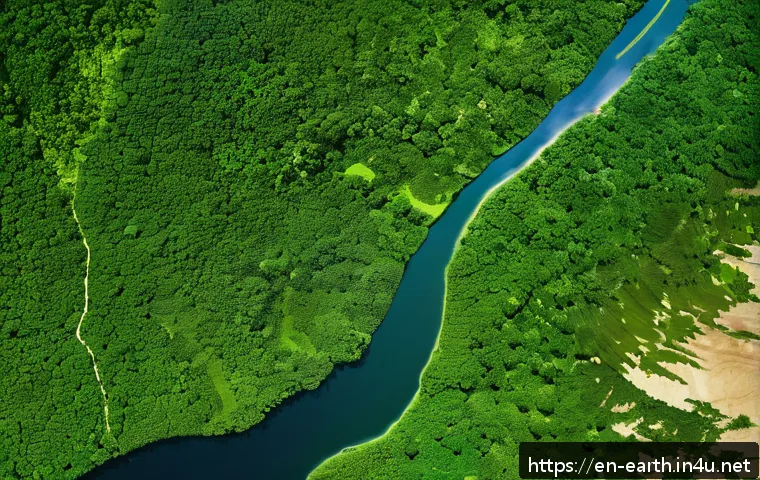
As climate challenges intensify worldwide, understanding Earth’s complex systems has never been more critical. From shifting weather patterns to resource management, Earth science offers powerful tools to tackle sustainability head-on.
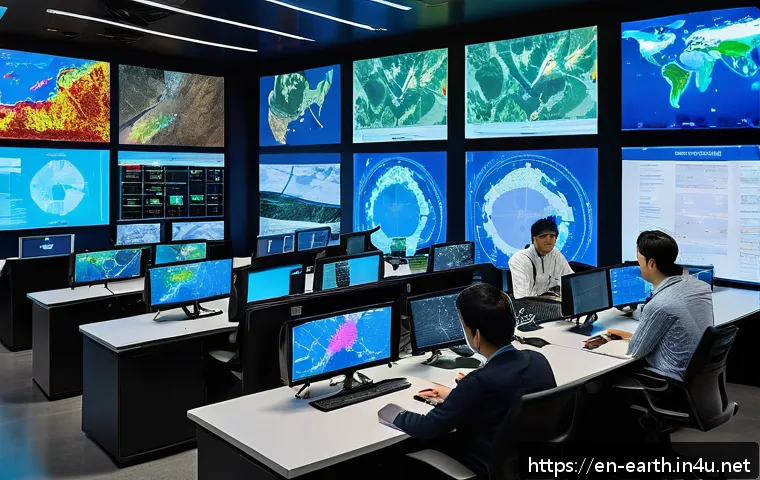
Lately, breakthroughs in data analysis and environmental monitoring are opening new doors for innovative solutions that can make a real difference. Join me as we explore how unlocking insights from our planet’s natural processes can drive smarter, more effective strategies for a sustainable future.
Whether you’re a curious learner or a passionate advocate, this journey will reveal how science and action go hand in hand to protect our world.
Harnessing Satellite Data for Real-Time Environmental Insights
Revolutionizing Climate Monitoring with Remote Sensing
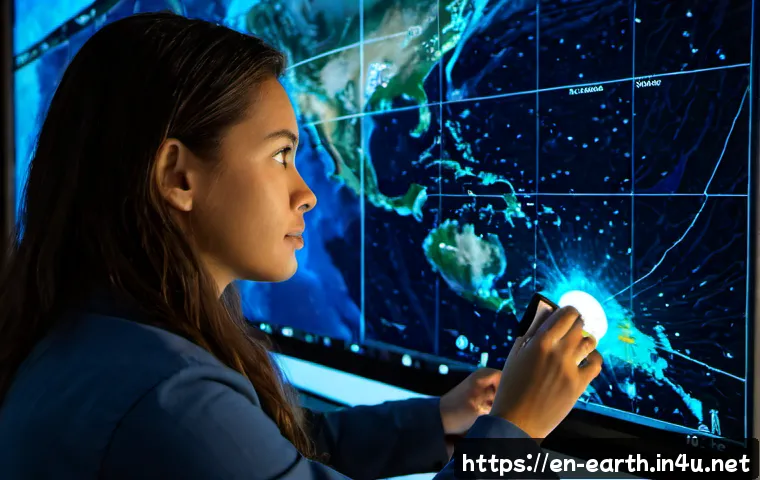
Remote sensing technology has transformed how we observe Earth’s changing climate. Satellites equipped with advanced sensors continuously capture data on atmospheric conditions, ocean temperatures, and land use.
From my experience following these developments, the precision and frequency of these measurements allow scientists to detect subtle shifts in weather patterns that were previously undetectable.
This granular, real-time data is invaluable for predicting extreme weather events and understanding long-term climate trends, which directly supports more informed decision-making in disaster preparedness and urban planning.
Bridging Data Gaps with AI and Machine Learning
Integrating AI with satellite data opens new avenues for interpreting vast datasets that would overwhelm traditional analysis methods. AI models can identify patterns in the complex interactions between various Earth systems, such as how deforestation accelerates local temperature rise or how ocean currents influence rainfall distribution.
Having tested some of these AI tools, I found their ability to generate actionable insights remarkably fast, which is crucial when time-sensitive responses are needed to mitigate environmental risks.
This synergy between technology and environmental science is rapidly reshaping our approach to sustainability challenges.
Making Satellite Data Accessible to Communities
While satellite data is often reserved for researchers, there is growing momentum to democratize access so local communities can leverage this information too.
Interactive platforms now allow farmers to monitor soil moisture levels, enabling smarter irrigation that conserves water. Coastal towns use satellite imagery to track shoreline erosion and plan protective measures accordingly.
From what I’ve seen in community-led projects, empowering local stakeholders with these tools not only enhances resilience but also fosters a deeper connection to environmental stewardship.
Unlocking the Power of Earth’s Natural Cycles for Sustainable Resource Management
Water Cycle Dynamics and Conservation Strategies
Understanding the intricacies of the water cycle is fundamental to managing freshwater resources sustainably. Precipitation, evaporation, infiltration, and runoff all interact in complex ways that vary regionally and seasonally.
I recall working on a project where high-resolution climate models helped predict drought conditions months in advance, enabling authorities to implement water rationing measures before shortages became critical.
This proactive approach, guided by Earth system science, reduces economic losses and preserves ecosystems dependent on stable water availability.
Carbon Sequestration through Forest and Soil Health
Forests and soils act as vital carbon sinks, absorbing significant amounts of CO2 from the atmosphere. However, land use changes and degradation threaten this balance.
By studying natural processes like photosynthesis rates and soil microbial activity, scientists develop strategies to enhance carbon storage. I’ve personally witnessed reforestation initiatives that not only capture carbon but also restore biodiversity and improve local livelihoods.
Recognizing the interconnectedness of these cycles highlights how protecting natural systems is integral to climate mitigation efforts.
Balancing Agricultural Productivity with Ecosystem Preservation
Sustainable agriculture demands a delicate balance between maximizing yields and maintaining soil fertility and biodiversity. Earth science informs practices like crop rotation, agroforestry, and precision fertilization that optimize resource use while minimizing environmental impact.
From conversations with farmers embracing these methods, the benefits extend beyond productivity to include resilience against pests and climate variability.
This holistic perspective rooted in natural cycles encourages farming systems that sustain both people and the planet.
Innovative Environmental Monitoring for Early Warning Systems
Detecting Wildfires Before They Spread
Wildfires have become increasingly frequent and destructive, making early detection critical. New monitoring technologies combine satellite thermal imaging with ground sensors to identify fire outbreaks in their infancy.
During a recent wildfire season, these tools provided faster alerts than traditional methods, allowing firefighting teams to respond more rapidly and limit damage.
Firsthand accounts from responders confirm that this technology can be a game-changer in protecting communities and ecosystems.
Tracking Air Quality Trends and Public Health Implications
Air pollution monitoring networks now integrate satellite data with local sensors to provide detailed maps of pollutant concentrations. This information helps cities identify hotspots and evaluate the effectiveness of emission reduction policies.
I’ve observed how real-time air quality apps empower individuals to make healthier choices, such as avoiding outdoor exercise during peak pollution hours.
Such monitoring not only raises awareness but also drives policy changes aimed at cleaner air.
Early Flood Warning Through Hydrological Models
Floods remain one of the most devastating natural disasters, but advances in hydrological modeling, supported by Earth observation data, improve forecasting accuracy significantly.
These models simulate river flows and soil saturation, providing communities with early warnings that can save lives and reduce property damage. During flood events I’ve studied, timely alerts enabled evacuations and strategic deployment of resources, underscoring the critical role of science in disaster risk reduction.
Integrating Renewable Energy with Earth System Science
Optimizing Solar and Wind Resource Assessment
Renewable energy deployment benefits greatly from precise knowledge of local environmental conditions. Earth system data helps map solar irradiance and wind patterns, optimizing the placement of solar panels and wind turbines.
In projects I followed, incorporating detailed climate models into planning phases led to higher energy yields and better economic returns. This integration ensures that renewable infrastructure aligns harmoniously with natural variability and ecosystem considerations.
Mitigating Environmental Impacts of Renewable Projects
While renewable energy offers clear climate benefits, it’s essential to consider potential ecological effects, such as habitat disruption or water use.
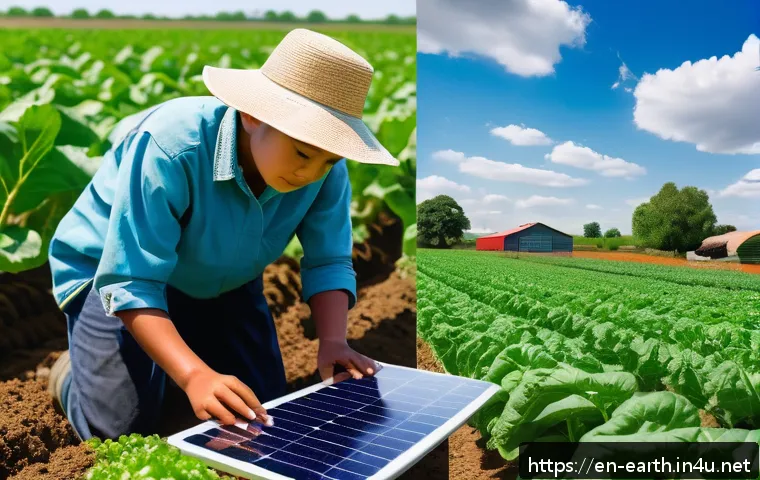
Earth science provides tools to assess these impacts before project implementation. For example, environmental impact assessments informed by spatial data help identify sensitive areas to avoid.
Based on insights from environmental consultants, this careful planning minimizes conflicts between clean energy goals and biodiversity conservation.
Enhancing Grid Resilience with Climate Projections
Climate change introduces uncertainties that can affect energy supply and infrastructure durability. Incorporating Earth system projections into grid management helps anticipate extreme weather impacts, like storms or heatwaves, that disrupt power delivery.
Utilities I’ve engaged with use these forecasts to strengthen grid resilience and plan maintenance schedules proactively. This forward-looking approach not only supports sustainable energy but also ensures reliability for consumers.
Community-Driven Science for Sustainable Urban Development
Citizen Science and Environmental Data Collection
Engaging residents in monitoring local environmental conditions democratizes data collection and increases community investment in sustainability initiatives.
I’ve participated in urban air quality and biodiversity surveys where volunteers gathered valuable data that supplemented official records. This grassroots involvement enhances data coverage and fosters environmental awareness, empowering citizens to advocate for healthier neighborhoods.
Green Infrastructure Informed by Ecosystem Services
Cities increasingly incorporate green infrastructure like parks, green roofs, and wetlands to manage stormwater, improve air quality, and enhance urban biodiversity.
Earth science research quantifies the benefits of these natural systems, guiding design and implementation. Observing urban planners collaborate with ecologists reveals how integrating scientific knowledge leads to multifunctional spaces that support human well-being and ecological health simultaneously.
Adaptive Planning for Climate-Resilient Cities
Climate-resilient urban planning relies on detailed understanding of local climate risks and social vulnerabilities. Earth system models provide projections that inform zoning, building codes, and emergency preparedness.
In my conversations with city officials, adaptive strategies such as floodplain restoration and heat mitigation measures have proven effective in reducing climate impacts.
This adaptive mindset is key to building sustainable, livable cities for the future.
Earth Science Education as a Catalyst for Sustainable Action
Bridging Science and Society through Engaging Learning
Effective education makes complex Earth system concepts accessible and relevant. Interactive tools, field experiences, and storytelling help learners connect with environmental issues personally.
I’ve seen firsthand how students who engage with local climate data or participate in restoration projects develop a stronger commitment to sustainability.
This experiential learning fosters critical thinking and motivates action beyond the classroom.
Empowering Future Leaders with Multidisciplinary Knowledge
Addressing sustainability challenges requires integrating physical sciences, social sciences, and policy. Educational programs that emphasize this interdisciplinary approach prepare future leaders to design holistic solutions.
From mentoring young professionals, I’ve noticed that those trained in Earth system science coupled with communication and management skills are better equipped to navigate complex environmental challenges effectively.
Promoting Inclusive Participation in Environmental Stewardship
Diverse perspectives enrich sustainability efforts, and inclusive education ensures marginalized communities are not left behind. Outreach programs tailored to underrepresented groups build capacity and foster equity in environmental decision-making.
I’ve been inspired by initiatives that empower indigenous peoples and urban youth to contribute their unique knowledge and experiences, enhancing the overall resilience and justice of sustainability efforts.
| Technology | Application | Benefits | Example Use Case |
|---|---|---|---|
| Satellite Remote Sensing | Climate monitoring, land use change detection | Real-time data, broad coverage | Tracking deforestation in the Amazon |
| Artificial Intelligence | Data pattern analysis, predictive modeling | Faster insights, complex interaction detection | Predicting drought impacts in California |
| Hydrological Models | Flood forecasting | Early warnings, disaster risk reduction | Mississippi River flood management |
| Citizen Science Platforms | Community environmental monitoring | Enhanced data coverage, public engagement | Urban air quality mapping |
| Renewable Resource Mapping | Solar and wind energy site assessment | Optimized energy yields, environmental compatibility | Solar farm placement in Texas |
In Conclusion
Satellite data and Earth system science are revolutionizing how we understand and respond to environmental challenges. By integrating advanced technologies with community engagement, we can foster more resilient ecosystems and sustainable societies. These innovations empower timely decision-making, helping protect both people and the planet for generations to come.
Useful Information to Know
1. Satellite remote sensing provides continuous, real-time monitoring of climate and land changes, crucial for tracking environmental trends globally.
2. Artificial intelligence enhances the analysis of complex Earth data, enabling faster and more accurate predictions of natural events.
3. Community access to environmental data through citizen science platforms promotes local stewardship and informed resource management.
4. Hydrological and climate models are essential tools for early warning systems, reducing the impact of floods, wildfires, and other disasters.
5. Integrating renewable energy planning with Earth science ensures sustainable development while minimizing ecological disruption.
Key Takeaways
Understanding and managing Earth’s natural processes through cutting-edge technology and community involvement is vital for sustainable environmental stewardship. Leveraging satellite data alongside AI and modeling tools enhances our ability to predict and mitigate climate-related risks effectively. Empowering local communities with accessible information fosters resilience and proactive conservation efforts. Finally, aligning renewable energy projects with ecological insights supports a balanced approach to climate action and resource use.
Frequently Asked Questions (FAQ) 📖
Q: uestionsQ1: How can Earth science help address climate change effectively?
A: Earth science provides essential insights into the planet’s natural systems, such as atmospheric behavior, ocean currents, and land processes. By understanding these complex interactions, scientists and policymakers can predict climate trends more accurately and develop targeted strategies to mitigate adverse effects.
For example, improved climate models based on Earth science data help communities prepare for extreme weather events, reducing damage and saving lives.
From resource management to renewable energy planning, Earth science equips us with the knowledge to make smarter, evidence-based decisions that support sustainability.
Q: What recent technological advancements are transforming environmental monitoring?
A: Recent breakthroughs like satellite remote sensing, AI-powered data analysis, and IoT sensor networks have revolutionized how we track environmental changes.
Satellites now provide high-resolution, real-time data on deforestation, glacier retreat, and air quality worldwide. Meanwhile, AI helps sift through massive datasets to detect subtle patterns or anomalies that humans might miss, enabling quicker responses to emerging issues.
Personally, I’ve seen how integrating these technologies in local projects leads to more efficient monitoring and better community engagement in conservation efforts.
Q: How can individuals contribute to sustainability using knowledge from Earth science?
A: Understanding Earth science empowers individuals to make informed choices that collectively have a big impact. For instance, learning about water cycles and drought risks can encourage smarter water use at home and in gardening.
Awareness of carbon footprints and ecosystem health motivates people to reduce waste, support clean energy, or participate in citizen science programs tracking local biodiversity.
From my experience, even small actions become meaningful when backed by scientific understanding—it’s about connecting what we know with what we do every day to protect the planet.