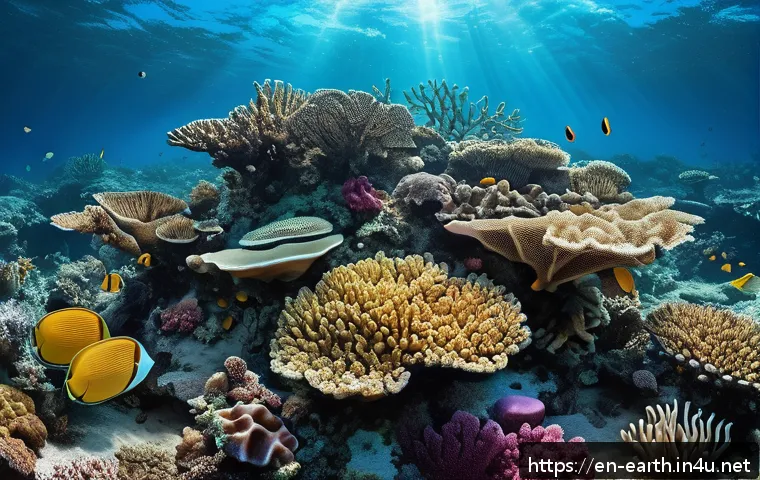
Earth science unravels the complex systems that shape our planet, from the shifting tectonic plates to the dynamic atmosphere enveloping us. One of the most pressing topics within this field is the changing temperature of our Earth, which directly impacts ecosystems, weather patterns, and human life.
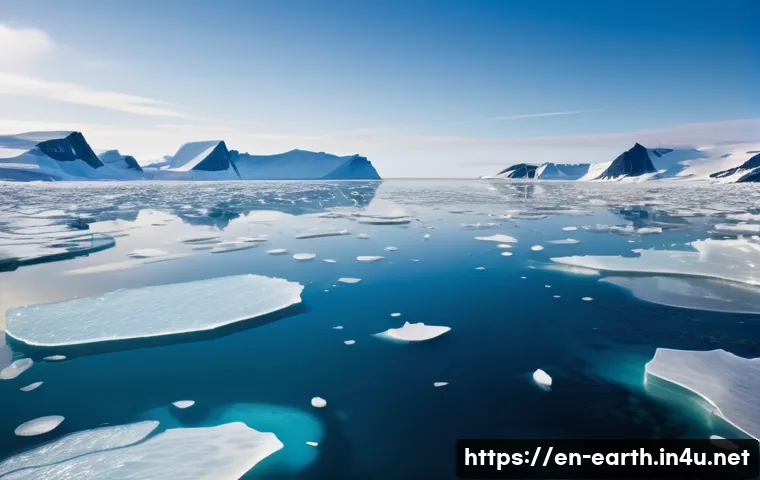
Understanding these shifts is crucial as we face unprecedented climate challenges driven by both natural processes and human activities. The science behind Earth’s temperature fluctuations offers insight into past climates and helps predict future scenarios.
Ready to dive deeper into how these forces interact and what they mean for our planet? Let’s explore the details ahead!
Unraveling Earth’s Energy Balance
How Solar Radiation Drives Temperature
The primary source of Earth’s temperature is solar radiation, which delivers energy from the sun in the form of light and heat. When sunlight reaches Earth, some of it is reflected back into space by clouds, ice, and other surfaces, while the rest is absorbed by land, oceans, and the atmosphere.
This absorbed energy warms the planet and fuels atmospheric circulation. What’s fascinating is how the angle of sunlight changes with seasons and latitude, meaning polar regions receive far less energy compared to the equator.
This uneven distribution is a key driver of weather and climate variability. From my own observations during different seasons, you can really feel how the sun’s intensity directly influences daily temperatures and even local wind patterns.
The Role of Greenhouse Gases in Retaining Heat
Greenhouse gases like carbon dioxide, methane, and water vapor trap heat in the atmosphere by absorbing infrared radiation emitted from Earth’s surface.
Think of it as a thermal blanket that keeps our planet warm enough to sustain life. However, the balance is delicate; when greenhouse gas concentrations rise beyond natural levels, more heat is retained, leading to global warming.
I’ve noticed that understanding this mechanism makes it easier to grasp why human activities such as burning fossil fuels have such a profound impact on climate.
This heat-trapping effect is essential but also the root cause of many climate concerns we face today.
Energy Loss: Reflection and Emission Processes
While Earth absorbs solar energy, it also loses heat by reflecting sunlight and emitting infrared radiation back into space. The reflectivity of Earth’s surface, known as albedo, varies widely—fresh snow reflects most sunlight, whereas dark ocean waters absorb more.
Changes in land use or ice cover can alter albedo and affect how much energy is retained. Additionally, Earth constantly emits energy as infrared radiation, which greenhouse gases partly block.
This dynamic exchange between incoming and outgoing energy is crucial to maintaining a relatively stable climate. I’ve read that disruptions to this balance, even small ones, can ripple through the entire system, altering global temperatures.
Patterns and Drivers of Climate Variability
Natural Cycles Shaping Temperature Trends
Earth’s temperature doesn’t change in a straight line; it fluctuates due to natural cycles like volcanic eruptions, solar activity, and ocean oscillations such as El Niño and La Niña.
These factors can cause short-term cooling or warming, sometimes masking or amplifying longer-term trends. For example, volcanic eruptions inject aerosols into the atmosphere, reflecting sunlight and temporarily cooling the planet.
Having tracked weather patterns over the years, it’s clear how these cycles create bumps in temperature records that scientists must carefully analyze to distinguish natural variation from human-induced changes.
The Impact of Human Activities on Climate
Since the Industrial Revolution, human activities have significantly altered the atmosphere’s composition, mainly by increasing greenhouse gases. Deforestation, urbanization, and agriculture also contribute to temperature changes by modifying land surfaces and releasing additional heat-trapping gases.
The cumulative effect is a clear upward trend in global average temperatures. From firsthand discussions with climate experts, I’ve learned that while natural factors still play a role, the pace and magnitude of current warming are unprecedented in recent history, pointing strongly to anthropogenic causes.
Regional Differences and Extreme Events
Temperature changes are not uniform across the globe. Some areas, like the Arctic, are warming much faster than others, a phenomenon called Arctic amplification.
This uneven warming affects weather extremes such as heatwaves, droughts, and heavy rainfall. For instance, rising temperatures can intensify hurricanes by providing more energy to storms.
I remember experiencing an unusually hot summer that seemed linked to these broader climate shifts, underscoring how local weather can be shaped by global trends.
Measuring Temperature Changes Over Time
Instrumental Records and Their Limitations
Since the late 19th century, thermometer readings have provided a relatively consistent record of surface temperatures. These instrumental datasets are invaluable but come with challenges like uneven geographic coverage and urban heat island effects.
Scientists use sophisticated methods to adjust for these biases, ensuring the data accurately reflects global trends. When I first explored climate data, I was surprised by the complexity behind seemingly straightforward temperature charts, highlighting the care needed in interpreting these records.
Reconstructing Past Climates with Proxies
To understand temperature changes before modern instruments, scientists rely on proxies such as ice cores, tree rings, and sediment layers. These natural archives contain clues about past temperatures, atmospheric composition, and environmental conditions.
For example, the width of tree rings can indicate growing conditions linked to temperature and moisture. I find it remarkable how these indirect methods allow us to peer back hundreds of thousands of years, revealing patterns and shifts that set the stage for today’s climate.
Satellite Observations in Modern Climate Science
Satellites have revolutionized temperature monitoring by providing global coverage and detailed data on atmospheric and surface temperatures. These observations complement ground-based records and help detect trends in remote regions like oceans and polar ice.
Since satellites began regular measurements in the late 20th century, they’ve confirmed warming trends and improved climate models. From following NASA’s satellite missions, I’ve gained appreciation for how technology enhances our understanding of Earth’s complex climate system.
Feedback Mechanisms Amplifying Temperature Changes
Ice-Albedo Feedback and Polar Warming
One of the most significant feedback loops involves ice and snow. As temperatures rise, ice melts, reducing the reflective surface area and exposing darker land or ocean, which absorbs more heat.
This accelerates warming in a self-reinforcing cycle. Observing recent news about shrinking Arctic sea ice, it’s clear how critical this feedback is to regional and global temperature dynamics.
It’s a vivid example of how interconnected Earth’s systems are and how changes in one area can cascade widely.
Water Vapor Feedback and Atmospheric Moisture

Warmer air holds more moisture, and since water vapor is itself a powerful greenhouse gas, this creates another feedback loop. Increased moisture traps more heat, further raising temperatures and enabling the air to hold even more water vapor.
I’ve noticed that humid heatwaves feel more intense because of this effect, which has both comfort and health implications. Understanding this feedback is crucial for predicting how temperature increases might accelerate in the future.
Carbon Cycle Feedbacks and Vegetation Responses
Rising temperatures impact carbon storage in soils and vegetation. For instance, thawing permafrost releases stored carbon dioxide and methane, intensifying greenhouse gas concentrations.
Conversely, some plants may grow faster with increased CO2, potentially offsetting emissions. However, these processes are complex and vary by region.
From following recent research, I’ve realized that these carbon cycle feedbacks add uncertainty to climate projections but are essential to consider in mitigation strategies.
Human Influence and Future Temperature Projections
Scenarios Based on Emission Pathways
Climate models simulate future temperatures based on different greenhouse gas emission scenarios. These range from aggressive emission reductions to business-as-usual pathways, producing a wide range of possible outcomes.
The difference between these futures can be several degrees Celsius, dramatically affecting ecosystems and human societies. When I reviewed these projections, it became clear how critical policy decisions are in shaping Earth’s temperature trajectory.
Urban Heat Islands and Local Temperature Effects
Urban areas often experience higher temperatures than surrounding rural regions due to heat absorption by buildings and pavement, known as the urban heat island effect.
This local warming can exacerbate heatwaves and increase energy demand for cooling. From living in a major city, I’ve felt firsthand how urban design influences temperature and how green spaces can help mitigate these effects.
Mitigation and Adaptation Strategies
Addressing temperature changes requires both reducing emissions and adapting to unavoidable warming. Strategies include transitioning to renewable energy, enhancing energy efficiency, and protecting natural carbon sinks like forests.
Adaptation involves improving infrastructure resilience and public health responses to heat extremes. In conversations with sustainability advocates, I’ve learned that combining mitigation and adaptation is essential for managing future temperature challenges effectively.
Key Climate Indicators and Their Temperature Links
Sea Level Rise and Ocean Temperatures
As global temperatures increase, oceans absorb much of the heat, leading to thermal expansion and melting of glaciers and ice sheets. This causes sea levels to rise, threatening coastal communities.
Warmer ocean temperatures also disrupt marine ecosystems and weather patterns. I recall reading about coastal cities investing in flood defenses, highlighting how temperature changes translate into tangible impacts.
Extreme Weather Trends and Temperature
The frequency and intensity of extreme weather events such as heatwaves, droughts, and heavy rainfall are influenced by rising temperatures. Warmer air can hold more moisture, intensifying storms, while prolonged heat can trigger drought conditions.
From personal experience during increasingly severe summers, the link between temperature and extreme weather is palpable and concerning.
Vegetation Shifts and Biodiversity Responses
Temperature influences the distribution of plant and animal species. Warmer climates can shift habitats poleward or to higher elevations, sometimes outpacing species’ ability to adapt.
This disrupts ecosystems and threatens biodiversity. Having explored local nature reserves, I’ve noticed changes in species presence that align with broader temperature trends, underscoring the ecological ripple effects of warming.
| Climate Indicator | Temperature Connection | Impacts Observed |
|---|---|---|
| Atmospheric CO2 Levels | Increases trap more heat, raising global temperatures | Enhanced greenhouse effect, global warming |
| Arctic Sea Ice Extent | Declines reduce albedo, accelerating warming | Polar amplification, habitat loss |
| Global Surface Temperature | Direct measure of climate warming | Heatwaves, melting glaciers |
| Ocean Heat Content | Oceans absorb excess heat from atmosphere | Sea level rise, coral bleaching |
| Permafrost Thaw | Releases greenhouse gases stored in frozen soils | Additional warming, infrastructure damage |
Conclusion
Understanding Earth’s energy balance and temperature dynamics is crucial in grasping how our planet’s climate operates. From solar radiation to human influences, multiple factors interact to shape the environment we live in. Recognizing these connections empowers us to make informed decisions and take meaningful action in addressing climate change. The complexity of these systems reminds us that every small change can have far-reaching effects.
Useful Information to Keep in Mind
1. Solar radiation is the main driver of Earth’s temperature, but its intensity varies by season and location, influencing weather patterns daily.
2. Greenhouse gases act like a thermal blanket, trapping heat and maintaining a habitable climate, yet excess amounts lead to global warming.
3. Natural climate cycles cause fluctuations in temperature, but recent rapid warming is largely due to human activities.
4. Satellite data and proxy records complement traditional measurements, providing a fuller picture of past and present temperature changes.
5. Feedback loops such as ice-albedo and water vapor amplify warming, highlighting the interconnectedness of Earth’s systems.
Key Takeaways
Earth’s temperature is a complex interplay between incoming solar energy, atmospheric composition, and surface characteristics. Human activities have tipped the balance, accelerating warming and intensifying climate impacts globally. Monitoring tools, from ground-based thermometers to satellites, help track these changes, while understanding feedback mechanisms is vital for predicting future trends. Effective mitigation and adaptation strategies are essential to manage temperature rises and protect ecosystems and communities worldwide.
Frequently Asked Questions (FAQ) 📖
Q: What causes Earth’s temperature to change over time?
A: Earth’s temperature changes due to a combination of natural factors and human influences. Natural causes include volcanic eruptions, variations in solar radiation, and shifts in Earth’s orbit, which have driven climate changes over millions of years.
However, in recent times, human activities like burning fossil fuels, deforestation, and industrial emissions have significantly increased greenhouse gases in the atmosphere, leading to global warming.
From my experience following climate research, the interplay between these factors is complex, but the current warming trend is largely attributed to human impact.
Q: How do temperature changes affect ecosystems and weather patterns?
A: Temperature shifts can dramatically alter ecosystems and weather. Warmer temperatures may disrupt habitats, forcing plants and animals to migrate or adapt quickly, sometimes leading to species decline or extinction.
Weather patterns also become more unpredictable, with increased frequency of extreme events like hurricanes, droughts, and heavy rainfall. I’ve observed in various studies and reports that these changes not only threaten biodiversity but also affect agriculture, water supplies, and human health, emphasizing the urgent need for climate action.
Q: Can studying past climate changes help us predict future temperature trends?
A: Absolutely. By examining ice cores, tree rings, and sediment layers, scientists reconstruct Earth’s climate history to understand how temperatures fluctuated in the past.
This knowledge provides valuable context for current changes and helps refine climate models that forecast future scenarios. In my experience, these models are crucial tools for policymakers and communities to prepare for potential impacts, although uncertainties remain.
Still, the consensus is clear: without reducing greenhouse gas emissions, future warming is likely to be severe.