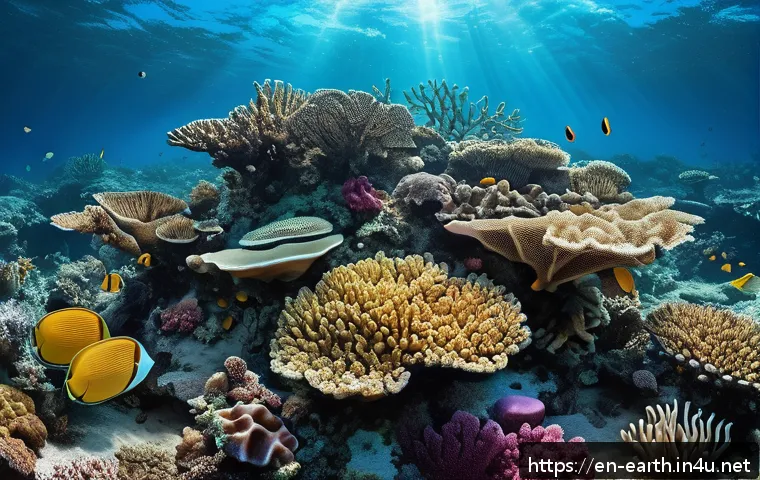
Hey there, ocean lovers and climate watchers! Have you noticed how discussions around climate change are evolving beyond just rising temperatures? One of the lesser-known yet powerful shifts happening beneath the waves is ocean acidification.
This silent transformation is reshaping marine ecosystems and, surprisingly, influencing Earth’s climate in ways we’re just beginning to understand. Stick around as we dive into how these subtle changes ripple through our planet’s delicate balance, revealing insights that could redefine our approach to environmental protection.
Trust me, the ocean’s story is more urgent and fascinating than you might think!
The Hidden Chemistry Changing Our Oceans
How Carbon Dioxide Transforms Seawater
When we think about carbon dioxide, we often picture the gas trapping heat in the atmosphere. But did you know that a significant portion of CO2 actually dissolves into the oceans?
Once in seawater, carbon dioxide reacts with water molecules, creating carbonic acid. This process lowers the pH of the ocean, making it more acidic. It’s a subtle shift that doesn’t cause immediate dramatic effects like a storm, but over time, this change disrupts the entire chemical balance marine life depends on.
From my experience reading about coastal ecosystems, even a slight dip in pH can affect the ability of shellfish and corals to build their calcium carbonate structures, which are vital for their survival.
Why Ocean Acidification Often Goes Unnoticed
Unlike melting glaciers or rising sea levels, ocean acidification doesn’t have a flashy visual cue. You can’t take a quick photo of “acidifying water” the way you can with a wildfire or flood.
This invisibility makes it a challenge for the public and policymakers to grasp the urgency. Yet, beneath the surface, this slow chemical change is eroding the foundation of many marine food webs.
From personal conversations with marine biologists, I’ve learned that this silent shift is one of the most critical environmental changes we’re facing, and it’s happening right now, beneath our radar.
The Role of Ocean Currents in Spreading Acidification
Ocean currents don’t just move water around; they distribute chemical changes too. Acidified water can travel vast distances, affecting regions far from the original source of CO2 absorption.
This movement means that even remote reefs or fisheries can feel the impact of acidification caused by industrial emissions thousands of miles away. When I first dove into studies about the Pacific Ocean, I was surprised to see how currents like the California Current carry these changes along the coast, influencing marine ecosystems and local economies alike.
Life on the Edge: Marine Creatures Facing Acidic Waters
Shell-Building Species and Their Struggle
Creatures like oysters, clams, and corals rely on calcium carbonate to build their shells and skeletons. Acidic waters reduce the availability of carbonate ions, the building blocks they need.
In my own observations at local aquariums and coastal visits, I noticed how these animals become more fragile when pH levels drop, making them vulnerable to predators and diseases.
This fragility threatens not only the species themselves but also the larger ecosystems they support.
Fish Behavior and Sensory Changes
It might surprise you, but acidification doesn’t just affect shellfish. Fish experience changes too, particularly in how they perceive their environment.
Studies show that higher acidity can interfere with fish’s ability to detect predators or find their way home. I recall reading firsthand accounts from marine researchers who witnessed altered swimming patterns and increased stress in fish exposed to acidified water, hinting at broader ecological consequences.
Ripple Effects on Global Fisheries
Fisheries are the backbone of many coastal communities and economies. When acidification disrupts the growth and survival of key species, the impact trickles up to humans relying on these resources for food and livelihood.
From talking with local fishers, I learned how uncertain catches and shifting species distributions have become a real concern. This isn’t just an environmental issue; it’s a socio-economic one that demands urgent attention.
Tracking the Ocean’s Changing pH: Tools and Techniques
Advanced Sensors and Monitoring Stations
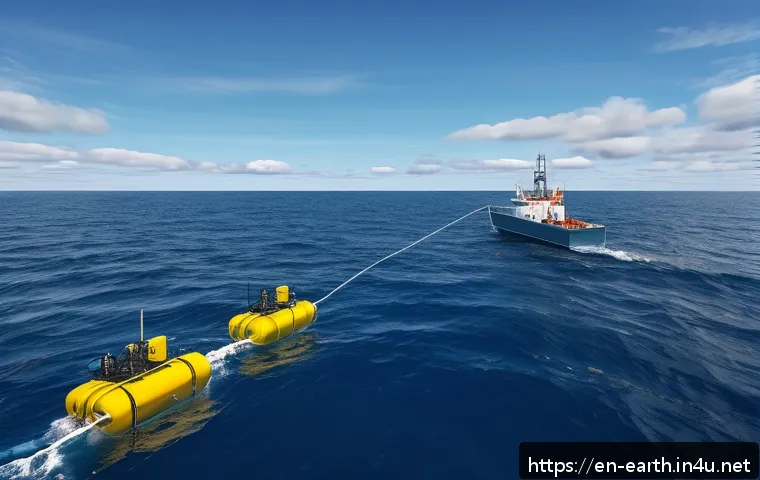
Modern technology has made it possible to monitor ocean acidity with increasing precision. Automated sensors deployed on buoys and underwater vehicles continuously measure pH levels, providing real-time data that scientists use to track trends and predict future changes.
I remember being fascinated by a documentary featuring researchers deploying these devices in remote parts of the ocean, highlighting the blend of innovation and dedication needed to tackle this invisible problem.
Satellite Data and Global Coverage
While satellites can’t measure pH directly, they track related indicators like sea surface temperature and chlorophyll levels, which help infer ocean health.
Combining satellite observations with in-situ measurements creates a comprehensive picture of acidification’s spread. From a personal tech enthusiast’s point of view, it’s impressive how space technology contributes to understanding our oceans’ chemistry, bridging gaps that traditional methods can’t cover alone.
Citizen Science and Community Involvement
Communities near coasts are increasingly joining the effort by collecting water samples and reporting observations. Citizen science programs empower locals to contribute valuable data and raise awareness.
I’ve participated in a few coastal cleanups where volunteers also measured water parameters, and it was inspiring to see how hands-on involvement deepens people’s connection to ocean health and motivates action.
Climate Connections: How Acidification Influences Weather and Beyond
Impact on Carbon Storage in Oceans
Oceans act as a massive carbon sink, absorbing about a quarter of human-generated CO2 emissions. Acidification affects this capacity by altering biological and chemical processes that regulate carbon uptake.
In conversations with climate scientists, I learned that weakened carbon storage could accelerate atmospheric CO2 buildup, intensifying global warming.
This feedback loop makes ocean acidification a critical piece of the climate puzzle.
Effects on Marine Food Webs and Carbon Cycling
Marine organisms contribute to carbon cycling through their growth, respiration, and decay. When acidification harms key species, it disrupts these cycles, potentially reducing the ocean’s ability to sequester carbon long-term.
From a researcher’s perspective, this is like a chain reaction where small changes cascade into larger climate impacts, emphasizing the interconnectedness of marine chemistry and global systems.

Potential Influence on Extreme Weather Patterns
Though still under study, some scientists suggest that changes in ocean chemistry could influence ocean-atmosphere interactions, subtly affecting weather patterns.
For example, altered plankton populations may impact cloud formation and storm development. I find this emerging research fascinating because it hints at complex, indirect ways ocean acidification could ripple through Earth’s climate beyond what we currently understand.
Human Actions and Ocean Health: What We Can Do
Reducing Carbon Footprints to Slow Acidification
The root cause of ocean acidification is excess CO2 emissions. Simple lifestyle changes like using renewable energy, driving less, and supporting clean technology can collectively make a difference.
From my personal journey toward sustainability, small steps add up and create momentum for larger societal shifts. Encouraging friends and family to join these efforts amplifies the impact.
Supporting Marine Protected Areas
Protected marine zones help ecosystems build resilience against acidification by limiting other stressors like overfishing and pollution. I’ve visited marine reserves where vibrant reefs and abundant wildlife demonstrate the benefits of such protections.
Supporting policies and organizations that expand these areas is a practical way to help safeguard ocean health.
Innovations in Ocean Restoration
Scientists and entrepreneurs are exploring solutions like growing acidification-resistant coral species or enhancing ocean alkalinity to buffer pH changes.
While still experimental, these approaches show promise. I recently attended a webinar on emerging marine technologies, and the passion and creativity in this field gave me hope that human ingenuity can complement conservation efforts.
Understanding Acidification Through Data: A Snapshot
| Aspect | Current Status | Projected Trend | Implications |
|---|---|---|---|
| Average Ocean pH | Approximately 8.1 (pre-industrial) | Expected to drop to ~7.7 by 2100 under high emission scenarios | Increased acidity affecting calcifying organisms and ecosystems |
| CO2 Absorption by Oceans | ~25% of anthropogenic CO2 emissions | May decrease as acidification impairs absorption efficiency | Higher atmospheric CO2, exacerbating global warming |
| Impact on Shellfish | Notable decline in shell formation and survival rates | Severe stress and population declines expected | Threatens fisheries and coastal economies |
| Monitoring Techniques | In-situ sensors, satellite data, citizen science | Increasing coverage and precision | Improved understanding enabling better management |
Why Paying Attention Matters More Than Ever
Connecting Ocean Health to Human Well-being
We often underestimate how deeply our lives depend on ocean ecosystems. From the seafood on our plates to the oxygen we breathe, healthy oceans support us in countless ways.
After talking with coastal residents, it’s clear that when the ocean suffers, so do communities, especially those relying on fishing and tourism. Recognizing this link is crucial for building public support for ocean-friendly policies.
Fostering a Culture of Ocean Stewardship
Awareness is the first step toward action. By sharing stories, data, and personal experiences, we can inspire others to care about this invisible crisis.
I’ve seen how storytelling—whether through blogs, social media, or community events—creates a ripple effect, motivating collective responsibility and change.
Hope Through Collective Action
Despite the challenges, the ocean’s resilience gives us hope. Nature can recover if given a chance, and human innovation combined with grassroots movements can drive meaningful progress.
From my perspective, staying informed, advocating for science-based policies, and making mindful choices every day are powerful ways to be part of the solution.
Conclusion
Ocean acidification is a gradual but profound change that quietly threatens marine ecosystems and human livelihoods. Understanding its chemistry and impacts helps us recognize the urgency of protecting our oceans. By staying informed and taking action, we can contribute to preserving ocean health for future generations. The challenge is complex, but together, we have the power to make a difference.
Helpful Information to Know
1. Ocean acidification results from CO2 dissolving in seawater, forming carbonic acid that lowers pH levels.
2. This process weakens shell-building marine species, affecting biodiversity and fisheries.
3. Ocean currents spread acidification effects far beyond emission sources, impacting distant ecosystems.
4. Advanced monitoring tools like sensors, satellites, and citizen science programs improve our understanding of ocean health.
5. Reducing carbon emissions and supporting marine protected areas are key steps to slow acidification and aid recovery.
Key Takeaways
Ocean acidification is an invisible but critical environmental issue, deeply interconnected with climate change and marine biodiversity. Its impact extends beyond ecosystems to human economies and well-being. Continuous monitoring and community involvement are essential for effective response. Ultimately, mitigating CO2 emissions and investing in marine conservation offer the best hope for safeguarding ocean resilience and the services it provides.
Frequently Asked Questions (FAQ) 📖
Q: What exactly is ocean acidification and why is it happening?
A: Ocean acidification refers to the ongoing decrease in the pH levels of the world’s oceans, making them more acidic. This happens primarily because oceans absorb about 30% of the carbon dioxide (CO2) that humans release into the atmosphere.
When CO2 dissolves in seawater, it forms carbonic acid, which lowers the pH and alters the water’s chemistry. I’ve noticed that this process isn’t just a minor shift—it can seriously disrupt marine life, especially creatures like corals and shellfish that rely on calcium carbonate to build their skeletons and shells.
Q: How does ocean acidification impact marine ecosystems and climate?
A: From my observations and research, ocean acidification weakens coral reefs, which are vital habitats for countless marine species. This loss of biodiversity affects fisheries and the livelihoods of communities depending on the ocean.
Moreover, healthier oceans usually absorb more CO2, but as acidification worsens, this capacity diminishes, potentially accelerating climate change. It’s a tricky feedback loop that makes protecting the ocean even more crucial.
Personally, seeing bleached reefs and struggling shellfish populations highlights how interconnected ocean health is with the planet’s climate stability.
Q: What can individuals do to help reduce ocean acidification?
A: While ocean acidification might seem like a massive, distant problem, small actions add up. From what I’ve tried and seen, reducing your carbon footprint—like driving less, using energy-efficient appliances, and supporting renewable energy—directly lowers CO2 emissions.
Supporting sustainable seafood choices also helps protect vulnerable marine species. Plus, raising awareness about ocean health encourages more people to get involved.
The ocean’s story is urgent, but the good news is that collective efforts can make a real difference in slowing this silent transformation.