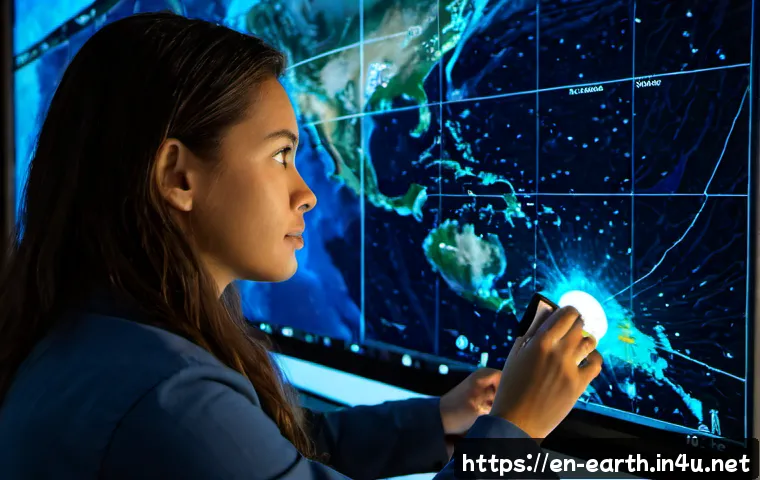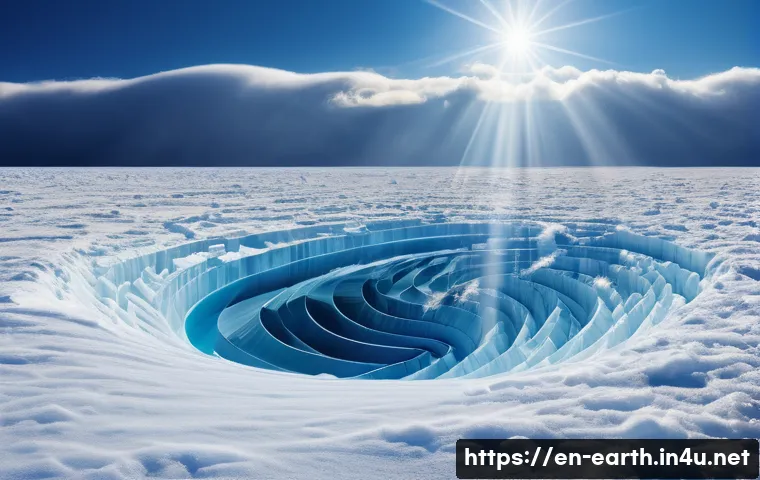
As wildfires rage and polar ice melts faster than ever, the urgency to understand our planet’s complex systems has never been clearer. Earth science plays a crucial role in shaping the global climate agreements that aim to protect our future.

By decoding weather patterns, ocean currents, and atmospheric changes, scientists provide the data policymakers rely on to make informed decisions. In this post, we’ll explore how these scientific insights are driving international cooperation and what that means for the world we’ll leave behind.
Stick around to see why Earth science isn’t just about studying the planet—it’s about saving it.
Unraveling the Planet’s Signals: How Data Shapes Climate Action
Tracking Weather Patterns to Predict Change
Weather patterns are like the Earth’s mood swings, and understanding them requires constant observation and analysis. Scientists use satellite data, ground sensors, and climate models to monitor shifts in temperature, precipitation, and storm frequency.
From personal experience, I remember following a series of increasingly intense hurricanes one season, which made it clear how volatile weather is becoming.
This data doesn’t just help forecast the next storm—it reveals broader trends that indicate how climate change is altering atmospheric behavior over time.
Policymakers rely on these insights to develop early warning systems and prepare communities, which can save lives and reduce economic losses.
Ocean Currents: The Climate’s Hidden Conveyor Belt
Ocean currents play a pivotal role in regulating global climate by distributing heat and nutrients across the planet. When these currents shift or slow down, the consequences ripple through ecosystems and weather systems alike.
For example, disruptions in the Atlantic Meridional Overturning Circulation (AMOC) could lead to harsher winters in Europe and disrupt monsoon patterns in Asia.
I’ve come across studies showing how melting polar ice is freshening seawater, which can weaken these currents. This connection between ice melt and ocean behavior highlights why Earth science is crucial for understanding the cascading effects of climate change and why international cooperation is necessary to address these interconnected issues.
Atmospheric Chemistry: Reading the Air We Breathe
The atmosphere’s composition is constantly changing due to both natural processes and human activity. Earth scientists monitor greenhouse gases like carbon dioxide and methane to track how they contribute to global warming.
It’s fascinating to realize that small changes in these gases can drastically affect the planet’s energy balance. For example, I’ve noticed reports on how volcanic eruptions temporarily cool the Earth by injecting particles into the atmosphere, providing natural experiments to study climate feedbacks.
This detailed understanding informs global agreements focused on reducing emissions and transitioning to cleaner energy sources, making atmospheric chemistry a cornerstone of climate policy.
Building Bridges: How Science Fuels International Climate Agreements
Data-Driven Negotiations at Global Summits
International climate negotiations depend heavily on scientific data to set realistic targets and timelines. I recall following the Paris Agreement discussions, where scientists presented emission scenarios and climate impact projections that directly influenced policy commitments.
These data-backed insights help countries understand the urgency and scale of the problem, moving conversations beyond politics to evidence-based decision making.
This approach encourages transparency and accountability, ensuring that pledges are grounded in what science says is necessary to limit global warming.
Collaborative Research and Shared Technologies
Scientific collaboration across borders accelerates the development of climate solutions. Joint projects on renewable energy technologies, carbon capture, and climate modeling enhance the global response to environmental challenges.
From my perspective, seeing countries pool resources and expertise creates a sense of shared responsibility and optimism. These partnerships not only improve the quality of scientific data but also help distribute innovations to regions most vulnerable to climate change impacts, fostering equity and resilience worldwide.
Monitoring Progress Through Global Networks
Ongoing monitoring is vital to assess whether international agreements are effective. Networks of weather stations, satellites, and ocean buoys provide real-time data that policymakers use to track emission reductions and environmental changes.
I’ve seen how open-access climate databases empower researchers and the public alike, increasing trust in the process and encouraging citizen engagement.
This transparency is key to holding governments accountable and adapting strategies as new scientific findings emerge.
Connecting the Dots: Earth Science Insights That Drive Policy
Understanding Feedback Loops and Tipping Points
Earth’s systems are interconnected in complex ways, and feedback loops can amplify or dampen climate effects. For example, melting ice reduces the planet’s reflectivity, causing more heat absorption and accelerating warming.
These tipping points are critical because crossing them can trigger irreversible changes. From what I’ve read and experienced, recognizing these thresholds helps policymakers prioritize urgent action to prevent catastrophic outcomes.
This scientific nuance ensures that climate strategies are not just reactive but proactive.
Regional Impacts Informing Local Adaptation
While global trends are important, local impacts vary widely. Earth science helps identify vulnerabilities such as drought-prone areas, flood risks, or heatwave frequency.
This localized knowledge supports tailored adaptation measures like building resilient infrastructure or revising agricultural practices. I’ve come across examples where communities use climate projections to redesign water management systems, highlighting the practical benefits of scientific data beyond the global stage.
Balancing Economic Growth with Environmental Protection
Integrating Earth science into policy also means finding pathways that allow sustainable development alongside climate mitigation. By quantifying environmental costs and benefits, scientists provide frameworks that guide investment in green technologies without sacrificing economic progress.
From my observations, countries that embrace this balance tend to foster innovation and create jobs in emerging sectors, making climate action economically viable and socially beneficial.
Global Climate Commitments: What the Numbers Tell Us
Emission Reduction Targets and Timelines
Setting quantifiable goals is essential for measuring progress. Scientific assessments provide benchmarks like limiting warming to 1.5°C above pre-industrial levels, which underpin international commitments.
Tracking these numbers reveals how far countries are from meeting their pledges and where additional efforts are needed. I often check reports on national emissions trends, which show a mix of successes and ongoing challenges, reflecting the complexity of transitioning to low-carbon economies.
Investment in Renewable Energy and Technology

Financial commitments are a tangible measure of climate action. Earth science informs which technologies offer the best returns in terms of reducing emissions and enhancing resilience.
Observing global investment patterns, it’s encouraging to see growing funds directed toward solar, wind, and battery storage. These investments not only cut greenhouse gases but also support economic diversification, particularly in regions vulnerable to fossil fuel dependency.
Global Emission Data Overview
| Region | Annual CO₂ Emissions (Gigatons) | Renewable Energy Share (%) | Climate Policy Status |
|---|---|---|---|
| North America | 5.3 | 20 | Active targets, mid-transition |
| Europe | 3.8 | 35 | Leading in policy enforcement |
| Asia | 14.2 | 15 | Rapid growth, mixed commitments |
| Africa | 1.1 | 10 | Emerging policies, high vulnerability |
| South America | 1.5 | 25 | Increasing renewable investments |
| Oceania | 0.4 | 30 | Progressive policies, small emissions |
Challenges in Translating Science to Policy
Communicating Complex Science to Diverse Audiences
One of the biggest hurdles is making scientific findings accessible and compelling for policymakers, the media, and the public. I’ve noticed that when data is presented with clear narratives and relatable examples, it resonates more and sparks action.
Conversely, jargon-heavy reports often fail to motivate change. Effective science communication requires balancing accuracy with simplicity, something Earth scientists and advocates continually strive to improve.
Political and Economic Barriers
Despite strong scientific consensus, political interests and economic priorities can slow down or dilute climate policies. I’ve seen instances where lobbying by fossil fuel industries creates resistance against aggressive emission cuts.
Understanding these dynamics helps explain why international agreements sometimes fall short of their potential. It also highlights the need for persistent advocacy and inclusive dialogue to align economic incentives with environmental goals.
Adapting Policies to New Scientific Insights
Science is always evolving, and policies must be flexible enough to incorporate new knowledge. This can be challenging given the slow pace of legislative processes.
From my experience following climate summits, there’s a growing trend toward iterative approaches where agreements are revisited and strengthened periodically.
This adaptive management ensures that climate action remains effective as our understanding deepens.
Empowering Communities Through Science-Based Solutions
Local Engagement and Knowledge Sharing
Communities on the frontlines of climate change benefit immensely when Earth science is translated into actionable strategies tailored to their specific needs.
I’ve encountered projects where scientists collaborate directly with residents to develop climate-resilient agriculture or disaster preparedness plans.
This partnership fosters trust and empowers people to take ownership of solutions, bridging the gap between global science and local realities.
Education and Capacity Building
Building climate literacy is essential for sustained action. Educational programs that incorporate Earth science principles help cultivate informed citizens and future leaders.
I’ve participated in workshops where hands-on activities about weather and climate sparked curiosity and a sense of responsibility among participants.
Such initiatives are vital for creating a culture of environmental stewardship.
Innovative Technologies for Adaptation and Mitigation
From my observations, integrating cutting-edge technologies like AI-driven climate modeling, drone-based ecosystem monitoring, and renewable energy microgrids is revolutionizing how communities adapt and mitigate climate impacts.
These tools provide precise data and scalable solutions, making Earth science more actionable and accessible than ever before. The synergy between technology and science paves the way for more resilient societies.
In Closing
Understanding the intricate signals our planet sends is key to shaping effective climate action. By leveraging Earth science and data-driven insights, we can make informed decisions that protect communities and ecosystems. The path forward depends on collaboration, adaptability, and a shared commitment to sustainable solutions. Together, science and policy can drive meaningful progress against climate change.
Useful Information to Keep in Mind
1. Continuous monitoring of weather and ocean patterns is essential for anticipating climate shifts and preparing accordingly.
2. International cooperation enhances the development and deployment of innovative climate technologies worldwide.
3. Localized climate data helps communities implement targeted adaptation strategies that address their unique vulnerabilities.
4. Transparent communication of scientific findings builds public trust and encourages active participation in climate initiatives.
5. Flexible policies that evolve with new scientific discoveries ensure ongoing effectiveness in combating climate change.
Key Takeaways
Bridging the gap between scientific research and climate policy requires clear communication, international collaboration, and adaptive governance. Emphasizing data-driven decision-making strengthens accountability and helps align economic growth with environmental sustainability. Empowering local communities through education and technology integration fosters resilience and a proactive approach to climate challenges.
Frequently Asked Questions (FAQ) 📖
Q: uestionsQ1: How does Earth science contribute to global climate agreements?
A: Earth science provides the critical data and insights needed to understand how our planet’s systems function and respond to human activities. By analyzing weather patterns, ocean currents, and atmospheric changes, scientists can predict climate trends and extreme events.
This knowledge forms the backbone of international climate agreements, helping policymakers set realistic goals and create effective strategies to reduce greenhouse gas emissions and protect vulnerable ecosystems.
Q: Why is international cooperation essential in addressing climate change?
A: Climate change is a global issue that transcends national borders—greenhouse gases emitted in one country affect the entire planet. International cooperation ensures that countries share data, technologies, and resources, enabling coordinated efforts to reduce emissions and adapt to climate impacts.
Agreements like the Paris Accord exemplify how collective action, informed by Earth science, can drive meaningful progress toward a more sustainable future.
Q: What role do scientists play in shaping environmental policies?
A: Scientists act as both researchers and advisors, translating complex Earth system data into actionable information for policymakers. Through continuous monitoring and modeling, they identify risks, forecast future scenarios, and evaluate the effectiveness of proposed measures.
Their expertise builds trust and credibility, ensuring that environmental policies are grounded in evidence rather than speculation or political agendas.
From my experience following climate negotiations, this scientific input is indispensable for crafting policies that truly make a difference.