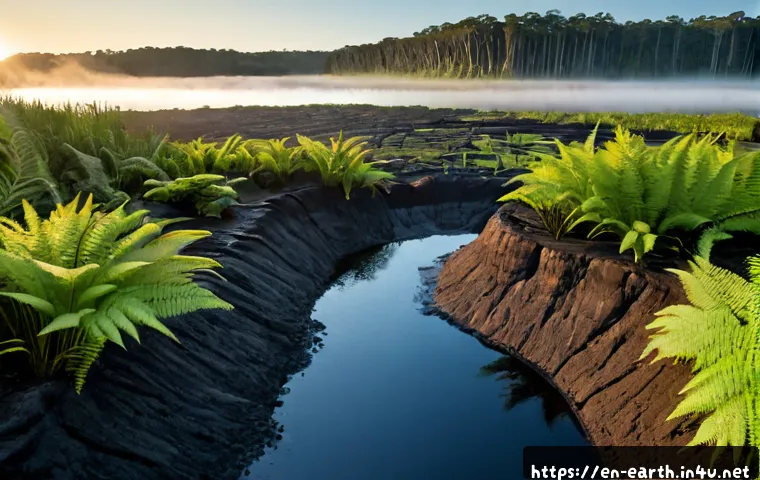
Coal forms from plant-rich material that first becomes peat in waterlogged environments, then is buried and altered by compaction, heat, pressure, and geologic time.
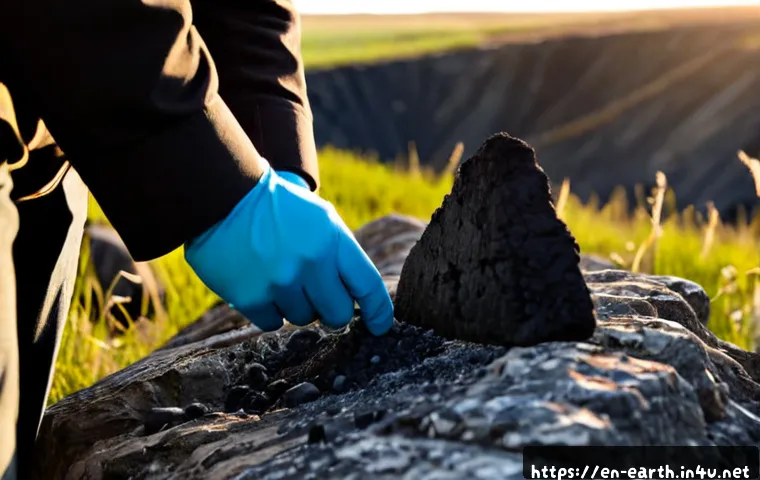
The usual sequence is peat, lignite, sub-bituminous coal, bituminous coal, and anthracite. This process is useful for understanding sedimentary geology, the carbon cycle, and why coal is classified by rank rather than treated as one uniform material.
For students, real specimens and visual models can make the sequence easier to recognize. When choosing classroom materials, the practical questions are specimen labeling, safety information, curriculum fit, and total classroom cost.
Energy-use decisions are separate from the natural process that formed a coal deposit.
At a Glance
- Coal begins as peat, accumulated plant material in waterlogged settings where decay is limited.
- Burial changes the material: sediments add compaction and, in many settings, higher temperature over geologic time.
- Coal rank generally rises from lignite toward anthracite as carbon increases and moisture and volatile material decrease.
| Material or Rank | General Observable Traits | Teaching Focus | Useful Learning Activity |
|---|---|---|---|
| Peat | Plant-rich starting material; associated with wet, low-oxygen conditions | Wetlands, limited decay, early carbon storage | Trace the first step in a peat-to-coal sequence diagram |
| Lignite | Lower coal rank; generally more moisture than higher ranks | Burial and early coalification | Compare labeled samples or photographs by rank |
| Sub-bituminous coal | Intermediate rank characteristics | Changes in moisture, carbon, and volatile material | Build a rank-order chart with evidence notes |
| Bituminous coal | Higher rank than sub-bituminous coal | Coal classification and sedimentary basin history | Use a basin map alongside a specimen or image |
| Anthracite | Commonly presented as the highest rank in this sequence | Higher carbon content and advanced coal maturation | Discuss why rank is not the only factor in energy decisions |
The Short Answer: From Waterlogged Plant Matter to Coal
Coal formation starts with accumulated plant material, not with a finished rock suddenly squeezed by pressure. In a waterlogged landscape, oxygen is limited, so plant remains may decay more slowly and build up as peat. If that material is later buried beneath sediments, compaction increases. Over geologic time, burial can also raise temperature in many settings, helping alter the original plant-rich material.
Why Low-Oxygen Wetlands Allow Plant Material to Accumulate
Ancient swampy landscapes are central to the story. Waterlogged conditions can limit decay, allowing plant material to remain and accumulate rather than disappear quickly. This is why peat is the earliest material in the coal-formation pathway. A helpful classroom question is: What conditions would preserve plant material long enough for burial to matter?
Students should avoid treating every wetland as a future coal seam. Coal seams are typically associated with sedimentary basins and ancient plant-rich environments, but the details of any individual deposit must be evaluated locally. The presence of plants alone is not enough; the setting, burial history, and later geologic changes all matter.
The Role of Burial, Compaction, Heat, and Geologic Time
As sediment accumulates above peat, the material is compacted. Burial may also bring higher temperatures, depending on the geologic setting. Through this long process, coal generally becomes richer in carbon and contains less moisture and volatile material. Pressure is important, but it is not the complete explanation. The starting peat, the sedimentary setting, heat, and time are all part of the pathway.
The exact time needed for a particular seam cannot be assumed from a general diagram. A diagram explains the broad process; it does not determine the history, depth, quality, or economic recoverability of coal at a specific location.
The Formation Pathway: Peat Through Higher Coal Ranks
The familiar formation sequence gives learners a practical framework: peat, lignite, sub-bituminous coal, bituminous coal, and anthracite. These categories are called coal ranks. They describe general changes during maturation, especially the trend toward more carbon and less moisture and volatile material.
Peat as the Starting Material
Peat is not simply “young coal” in every casual sense; it is the earliest material in the coal-formation sequence. It represents accumulated plant matter in waterlogged environments where decomposition is limited. For an earth science lesson, peat is valuable because it connects several ideas at once: ecosystems, sedimentary processes, carbon storage, and long-term change.
A clear visual sequence works well here. Start with a wetland scene, show plant material accumulating, add layers of sediment, and then introduce compaction and heat over geologic time. This approach is often more useful than asking learners to memorize rank names without understanding the conditions behind them.
How Lignite, Sub-Bituminous Coal, Bituminous Coal, and Anthracite Differ
Lignite, sub-bituminous coal, bituminous coal, and anthracite are commonly used rank categories. Moving through this sequence, coal generally has more carbon and less moisture and volatile material. The sequence is useful for comparison, but it does not mean one sample is automatically “best” for every educational purpose.
A lignite specimen may help students see an early coal rank. A bituminous or anthracite specimen may be useful for discussing later-stage maturation and carbon content. For younger learners, a well-labeled photograph set or a durable demonstration sample may be more practical than multiple loose specimens. For advanced classes, a specimen set paired with sedimentary basin maps can support stronger discussion of geologic context.
Comparing Coal Types for Earth Science Learning
Coal rank can help students organize observations, but it should not become a shortcut for broader claims. A rank describes general material characteristics. It does not, by itself, settle questions about a specific deposit, local extraction conditions, environmental impacts, regulations, or energy policy.
Comparison Table: Carbon, Moisture, Texture, and Teaching Value
When comparing samples, focus on the trends supported by the formation process. Higher maturation is generally associated with higher carbon and lower moisture and volatile material. Texture and appearance can be useful observational prompts, but a classroom should rely on clear labels and supporting reference material rather than appearance alone.
A practical activity is to give students a simple comparison sheet with four prompts: What rank is shown? Where does it belong in the sequence? What does the label say about carbon or moisture trends? Which geologic process explains its place in the sequence? This keeps the lesson evidence-based without requiring claims about the quality of a particular mine or region.
What Coal Rank Can and Cannot Tell Students About Energy Use
Coal rank can introduce the relationship between carbon content, moisture, volatile material, and energy characteristics. That is an appropriate earth science discussion. However, natural formation and energy choices are different topics. Decisions about energy use also involve environmental impacts, technology, local rules, economics, and community priorities.
For that reason, a strong lesson separates two questions: “How did this material form?” and “How should people make energy decisions today?” The first question is geological. The second requires broader evidence and context.
Conditions That Shape a Coal Deposit—and Common Misconceptions
Coal deposits reflect a long chain of conditions. Ancient plant-rich landscapes supplied the starting material. Waterlogged settings helped limit decay. Sedimentary basins provided places where material could be buried under later sediments. Compaction, temperature in many settings, and geologic time then contributed to coal maturation.
Ancient Landscapes, Sedimentary Basins, and Plant-Rich Environments
Coal seams are typically linked to sedimentary basins and ancient swampy landscapes. A basin-focused map can be especially helpful because it connects a hand sample to the larger rock record. Students can see that a seam is part of a sedimentary story, not an isolated black layer with no environmental history.

Maps, cross-sections, and stratigraphic diagrams are often good additions to a rock and mineral specimen kit. A specimen offers a close-up view; a map or diagram supplies the missing landscape-scale context. For a classroom budget, this combination may provide more learning value than buying many similar samples.
Mistakes to Avoid: “Coal Comes From Pressure Alone” and Other Oversimplifications
The most common oversimplification is saying that coal comes from pressure alone. Pressure and compaction matter, but the process begins with plant material accumulating as peat in waterlogged conditions. Burial, temperature in many geologic settings, and time are also part of the broader pathway.
Another mistake is confusing peat with coal. Peat is the earliest material in the sequence, while lignite through anthracite are common coal-rank categories. It is also inaccurate to assume that every coal seam formed in exactly the same way or over the same length of time. Individual deposits require location-specific evidence.
Safe, Useful Ways to Study Coal Formation
Coal formation can be studied effectively with physical specimens, diagrams, basin maps, and digital geology resources. The right choice depends on grade level, classroom rules, available supervision, and learning goals. A clear diagram may be the best starting point for an introductory lesson, while labeled specimens can deepen observation and comparison.
Choosing Specimens, Diagrams, Maps, and Classroom Lab Kits
When evaluating an earth science lab kit or coal specimen set, look first for accurate rank labels and an explanation of the peat-to-coal sequence. A useful resource should help learners connect samples to sedimentary geology rather than treating rocks as anonymous objects. Check whether the materials include a teacher guide, diagrams, maps, or curriculum-aligned activity ideas.
For a small group, individual samples may support direct observation. For a larger class, a demonstration set combined with printable diagrams or a digital geology resource may be easier to manage. Compare the specimen size, number of pieces, labeling quality, included documentation, and total classroom cost before choosing a kit.
Handling, Ventilation, Labeling, and School Safety Considerations
Use materials according to school or home safety procedures. Keep specimens clearly labeled, store them securely, and review any supplier-provided safety documentation before classroom use. If an activity involves handling samples, the teacher or supervising adult should decide what is appropriate for the group and setting.
Do not assume that every specimen kit meets a particular school’s safety policy, budget, or curriculum requirements. Physical samples, digital lessons, and museum-based learning each have different practical considerations. Confirm the details with the resource provider and the relevant school procedures.
Selection Criteria and Comparison Summary
Before selecting a coal specimen kit, rock and mineral collection, map set, or digital curriculum resource, check these points:
- Grade-level fit: Does the explanation match the learners’ earth science background?
- Sequence coverage: Does it clearly distinguish peat, lignite, sub-bituminous coal, bituminous coal, and anthracite?
- Labeling and documentation: Are ranks, handling notes, and learning materials easy to verify?
- Safety needs: Does the resource provide the information needed for your classroom or home setting?
- Learning format: Would physical specimens, a virtual lab, maps, or a museum visit best support the lesson goal?
- Total cost: Compare the complete classroom cost, not only the headline price of a kit.
For a purchase decision, compare specimen size, safety documentation, curriculum alignment, and total classroom cost on the relevant product or program page before choosing.
Closing Thoughts
Coal formation is a long-term earth science process that begins with plant-rich peat in waterlogged environments. Burial, compaction, heat in many settings, and geologic time help explain the progression through coal ranks. The rank sequence is a useful learning tool, especially when paired with sedimentary basin maps and clear diagrams. It should not be used to make unsupported claims about a specific deposit or to settle wider energy decisions.
Useful Things to Know
1. Peat is the starting material in the coal-formation sequence.
2. Coal seams are commonly associated with sedimentary basins and ancient swampy landscapes.
3. Coal rank generally reflects increasing carbon and decreasing moisture and volatile material.
4. A map, cross-section, or digital model can add context that a hand specimen alone cannot provide.
Important Notes
The exact time required for a specific peat deposit to become coal is not established by the general formation sequence. The rank, depth, quality, and economic recoverability of coal in a particular location also require site-specific information. Classroom kits, specimen sets, and digital resources should be checked individually for safety documentation, curriculum alignment, and budget suitability.
Frequently Asked Questions
Q1. How long does it take for peat to become coal?
A1. Coal formation occurs over geologic time, but the exact time for a specific seam cannot be determined from the general sequence alone. Its history depends on local burial, temperature, sedimentary conditions, and other geological factors.
Q2. Which coal sample is best for a school earth science project?
A2. There is no single best sample for every project. Choose a clearly labeled specimen that matches the lesson goal. A multi-rank set can help with comparison, while a diagram, map, or virtual resource may be better for explaining the full formation process.
Q3. Is it safe to use coal specimens in a classroom or home experiment?
A3. Suitability depends on the specimen, the activity, supervision, and local school or home safety procedures. Review the supplier’s safety documentation, keep samples labeled, and use handling and storage practices appropriate for the setting.